


Crucial factors which keep you poor in Canada
 In today’s chapter, we’ll talk about this exact topic: as an international student in Canada, should you buy a car or not? And if yes, what type of car should you buy?
We’ll cover all these things.
So without wasting any more time, let’s get started.
Now guys, the very first thing we want to say is this:
If you live inside downtown of a big Canadian city, or even around the outskirts of downtown, and your daily commute—meaning your university, college, part-time job, and home—are all in downtown or nearby, then you do not need to buy a car at all.
It would simply be a waste of money.
The reason is that public transportation in downtown areas of big cities is excellent.
Every two to three minutes, some vehicle is available—either a streetcar or a bus.
Something is always available, so you won’t face any problem without a car.
On top of that, parking costs in downtown areas are very high.
Wherever you go, you’ll have to pay $10, $20, or even $30 for parking.
So if you live in such an area and don’t buy a car, you can save a lot of money and use it properly—maybe to build some assets in the future.
The second situation is when you live in a small or medium-sized city in Canada, like Kitchener, Waterloo, Cambridge, Windsor, London, Sarnia, Hamilton, Burlington, Winnipeg, Saskatoon, Regina, or smaller cities around Vancouver— we don’t know all their names, but cities like these.
If you live in such a city, then one factor matters:
If your home, college/university, and part-time job are all nearby, meaning you don’t have to commute much, or if there is direct public transport—a direct bus from your home to your college or job—then you still don’t need to buy a car.
Don’t waste your money. Save it.
We’ll talk later in this chapter about the calculations and numbers.
But now comes another situation.
If your part-time job is far away, like you live in Kitchener and have to go to Brantford, or vice versa.
Or if your job itself requires a car, for example:
- You do a security job
- You have to drive at night or during the day
Or if using public transport from your home to university or job takes 1.5 to 2 hours one way, meaning 4–5 hours of your day are wasted, then yes, you should definitely consider buying a car.
But then the question is:
What type of car should you buy? New or used? Loan or cash?
We’ll discuss that next, with proper calculations.
Then you can take your decision based on your situation.
It’s your decision.
Now, whether you buy a new car or a used car, both options have pros and cons.
New Car – Pros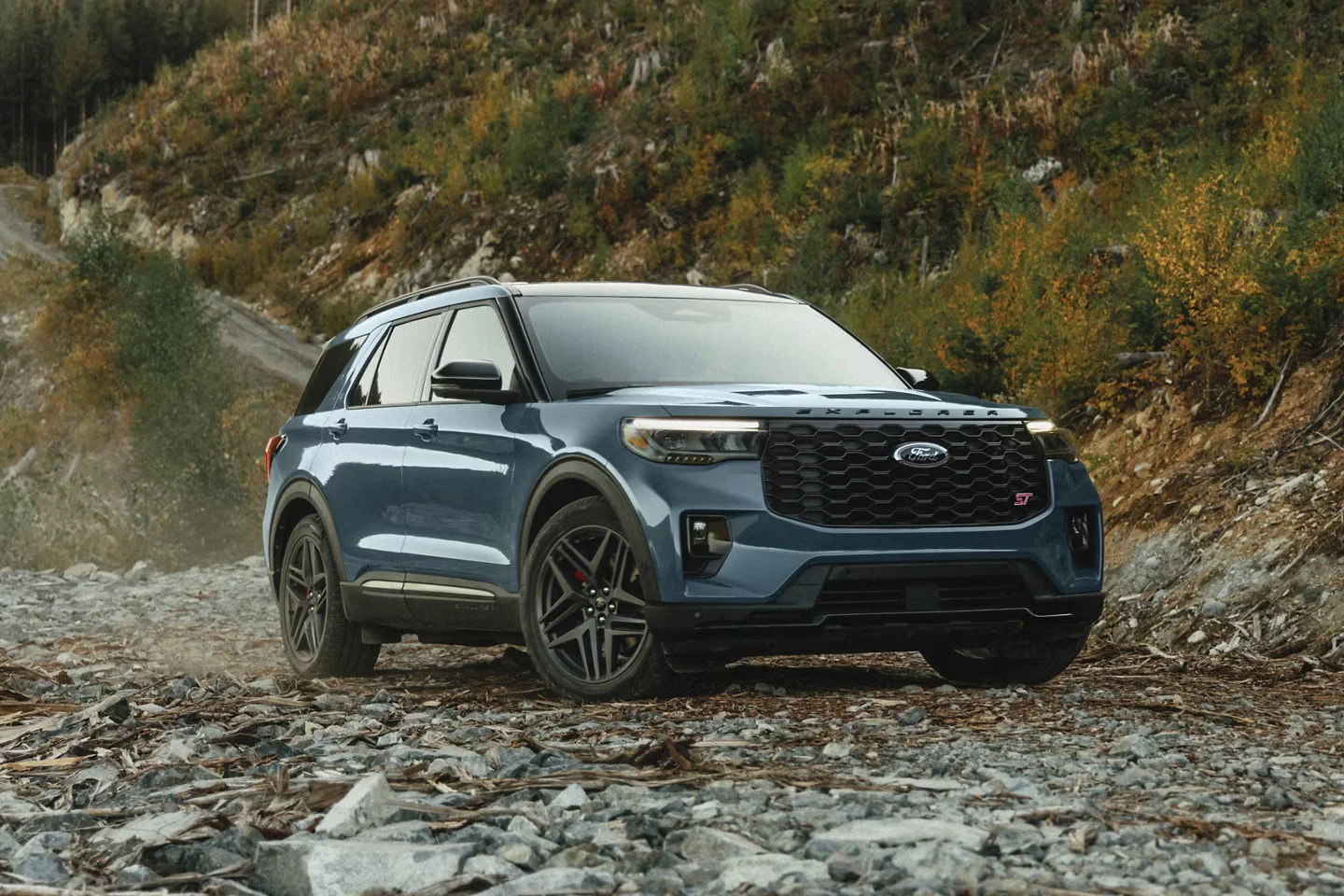
If you buy a brand-new car from a dealership, fresh smell, shiny, looking amazing—then the benefits are:
- Warranty
Many things are covered for 3 years, and mechanical parts are usually covered for 5 years or up to 100,000 km.
If something goes wrong, the company replaces it for free. - Reliability
You know there won’t be immediate repairs.
If you’re on a road trip or driving at 2–3 a.m., you’ll be stress-free because breakdown chances are very low. - Lower interest rates on loans
Dealerships offer better deals on new cars.
Interest rates are usually lower, so less money is wasted on interest.
New Car – Cons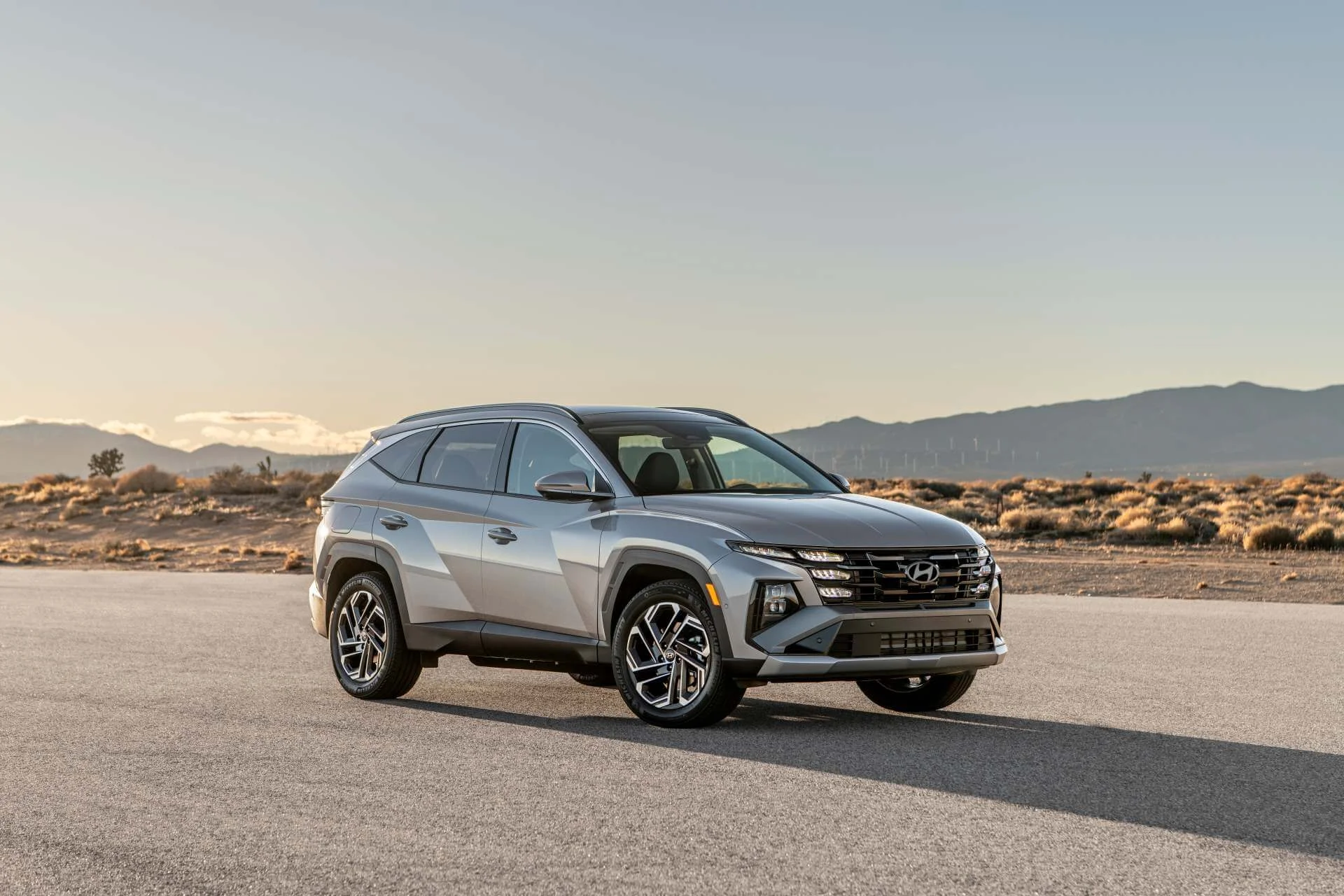
It’s not all good.
- High depreciation
In the first 1–2 years, a new car loses 20–30% of its value.
For example, if you buy a $30,000 car, it can easily lose $6,000 in one year. - Luxury cars depreciate even more
Brands like Mercedes, BMW, Audi lose value faster. Many people even say that the moment you drive a brand-new car out of the dealership parking lot, its value drops by $2,000, or even 10% immediately. - Higher insurance cost
New cars usually have higher insurance premiums.
Used Car – Pros
Now let’s talk about used cars—slightly worn, not that fresh smell, people won’t praise it much.
- Cheaper price
Whether you finance it or buy it in cash, you save a lot of money. - Lower insurance
Many people say insurance is cheaper for used cars.
If you buy a very cheap car like $4,000–$5,000, you can even get third-party insurance, which is much cheaper. - Lower depreciation
The car has already depreciated.
If you buy a 5–7-year-old car or one with 100,000+ km, even if you sell it after a year, you’ll still get decent money back.
Used Car – Cons
It’s not all perfect either.
- Regular maintenance
No warranty. Any repair comes out of your pocket. - Lower reliability
Especially at night or in remote areas—you never know when it might break down.
Key Advice Before Calculations
If you buy a new car, buy it for the long term, not to sell after one year.
If you buy a used car, take a mechanic with you.
Carfax reports exist in Canada, but they are not 100% reliable.
Minor issues don’t show up.
Pay the mechanic, check everything—engine, hood, small details.
Calculations
Scenario 1: Brand-New Car
Purchase price: $25,000
Down payment: $0
Interest rate: 6%
Loan term: 5 years
Monthly payment: $483
Yearly payment: $5,796
Insurance: $200/month = $2,400/year
Maintenance: $500/year
Total yearly cost:
$5,796 + $2,400 + $500 = $8,696
Depreciation (20%): $5,000
Total loss in one year: $13,696
If sold after one year, net loss = $8,696
Scenario 2: Used Car on Loan
Purchase price: $10,000
Down payment: $0
Interest rate: 8%
Loan term: 3 years
Monthly payment: $313
Yearly installments: $3,756
Insurance: $1,800/year
Maintenance: $1,000/year
Depreciation (10%): $1,000
Total loss: $7,556
If sold after one year: $4,580
Scenario 3: Used Car – Cash
Purchase price: $10,000 cash
No loan, no interest
Insurance: $1,800/year
Maintenance: $1,000/year
Depreciation: $1,000
Total loss: $3,800 (minimum)
Important Advice
When buying from a dealership, buy only the car.
Avoid upselling—winter tires, alloy wheels, packages, accessories.
Also remember:
If your car loan payment is $400/month, your mortgage eligibility drops by around $100,000.
Later, when buying a house, you’ll regret taking a car loan.

Apply for Visa
Borders are just lines—your courage is limitless


Apply for Residency
Because home isn’t a place — it’s where your story grows.