


Top 10 places to retire in 2026
 It's that time of the year again, everyone. Grab some popcorn because we are going to dive into the top 10 best places to retire in the world this year according to the annual International Living Retirement Index. We're going to tell you exactly how we feel about these destinations, whether we agree with the list, and we're going to share the pros as well as the cons on all of the most important factors that you need to take into consideration when you're thinking about where to retire abroad. Things like healthcare, housing, safety, visas, taxes — you name it. So let’s jump right in.
Malaysia is in 10th place on the list this year. So it’s dropped back a few spots since last year. What people like about Malaysia is definitely the safety, the healthcare, and the climate. You’ve got a warm climate and a low cost of living as well. Anytime you're in Southeast Asia, you can expect a cost of living between $1,000 to $2,000 per month, depending on the lifestyle you're looking for. One thing’s for sure — you can live well in this region of the world, and Malaysia is no exception.
It’s actually one of the countries on this list that we’ve never been. We work remotely, and it’s not the best time zone for me to work in. But if you’re retired and don’t have to worry about clocking in, and you’re just looking for a warm, safe place year-round with affordable flights to nearby countries like Thailand, Cambodia, the Philippines, or Japan, then Malaysia is a very interesting option.
One thing to know about Malaysia is that it doesn’t have a traditional retirement visa like some other countries in the region. Instead, it has the Malaysia My Second Home program, which is more designed for investors. You don’t have to be retirement age to qualify, and it gives you a fixed-term stay for several years. However, one downside is that it’s quite expensive compared to nearby countries like the Philippines. You need a substantial bank deposit that can range from $65,000 up to a million dollars, along with housing requirements and other rules. So that’s definitely something to consider.
Malaysia is the top place to retire in the world. English is widely spoken there, it’s warm year-round, the food is great, and you have mountains, beaches, and rainforests. Malaysians are also known for being friendly and hospitable. Healthcare is excellent, and as a retiree from the US, you can live comfortably on Social Security because the cost of living is about 70% lower than in the United States.
Looking at the numbers, a local in Kuala Lumpur can live on around $833 per month. For an expat, it’s closer to $1,100, and for digital nomads or short-term stays, costs can rise to $1,500 or $2,000 per month — still very affordable compared to the US.
Thailand, located right next door, moved up one spot from last year. This country offers a lot of value for foreigners. Like Malaysia, it has a lower cost of living compared to Latin America or Eastern Europe. Some people can keep costs under $1,000 per month, but realistically, you’ll need $2,000 to $2,500 to live comfortably, and closer to $3,000 in Bangkok.
Also we have to mention that rent is often between $300 and $600 for furnished apartments, street food can cost a dollar, and even nicer restaurants might only be $15 to $20 per meal.
On the downside, Thailand is extremely hot and humid, especially in places like Bangkok and the beaches. Burning season from mid-February to May affects air quality, especially in Chiang Mai. Language can be a barrier outside tourist areas, and visa rules have tightened. Retirement visas require either an 800,000 baht bank deposit (around $23,000), proof of monthly income, or a combination of both, along with insurance and documentation. Thailand also taxes worldwide income if you stay over 180 days per year.
Spain comes in eighth place, which honestly surprised us. People love the slower pace of life, the weather, and the quality of food there. Healthcare is ranked among the top 20 globally and is essentially free for residents, with affordable private options as well.
Transportation is excellent, but the language barrier can be challenging if you don’t speak Spanish. Taxes are high — up to 47% — and worldwide income is taxed, but many people feel the lifestyle benefits outweigh the costs. The non-lucrative visa requires about $34,000 per year in income or savings, and you’re not allowed to work on this visa.
France fell two spots, which we disagree with. It’s consistently one of the top choices for my clients. The long-stay visa is flexible, healthcare is excellent, and the cost of living can be lower than people expect outside major cities. Rent can range from $500 to $1,000 per month, and a single person can live comfortably on under $2,000 per month.
Taxes are high, and there are concerns about healthcare access for foreigners, but overall, France offers incredible food, culture, and quality of life. Experiences vary depending on perspective — locals and expats often see the country very differently.
Italy moved up the list, though many clients change plans due to bureaucracy and income requirements. The elective residence visa requires consistent passive income, not just savings. Italy offers incredible diversity, affordable real estate outside cities, and unmatched culture, but healthcare and bureaucracy require patience and planning.
Mexico sits in the middle of the list and remains a reliable option. It offers proximity to the US and Canada, diverse climates, and a relatively low cost of living. However, visa income requirements are higher than the actual cost of living. Many retirees are very happy there, especially in places like Querétaro and the Yucatán.
Portugal dropped a few spots, likely due to rising costs and tax changes. Still, it offers excellent healthcare, mild weather, and an English-friendly environment. Housing costs have increased, especially in Lisbon and Porto, but many people still feel the quality of life makes it worthwhile.
Costa Rica remains popular but it has a high cost of living compared to neighboring countries. While it doesn’t tax foreign income, prices for food, cars, and electronics are high. Safety and infrastructure are concerns for some, though the natural beauty is unmatched.
Panama has moved up to number two.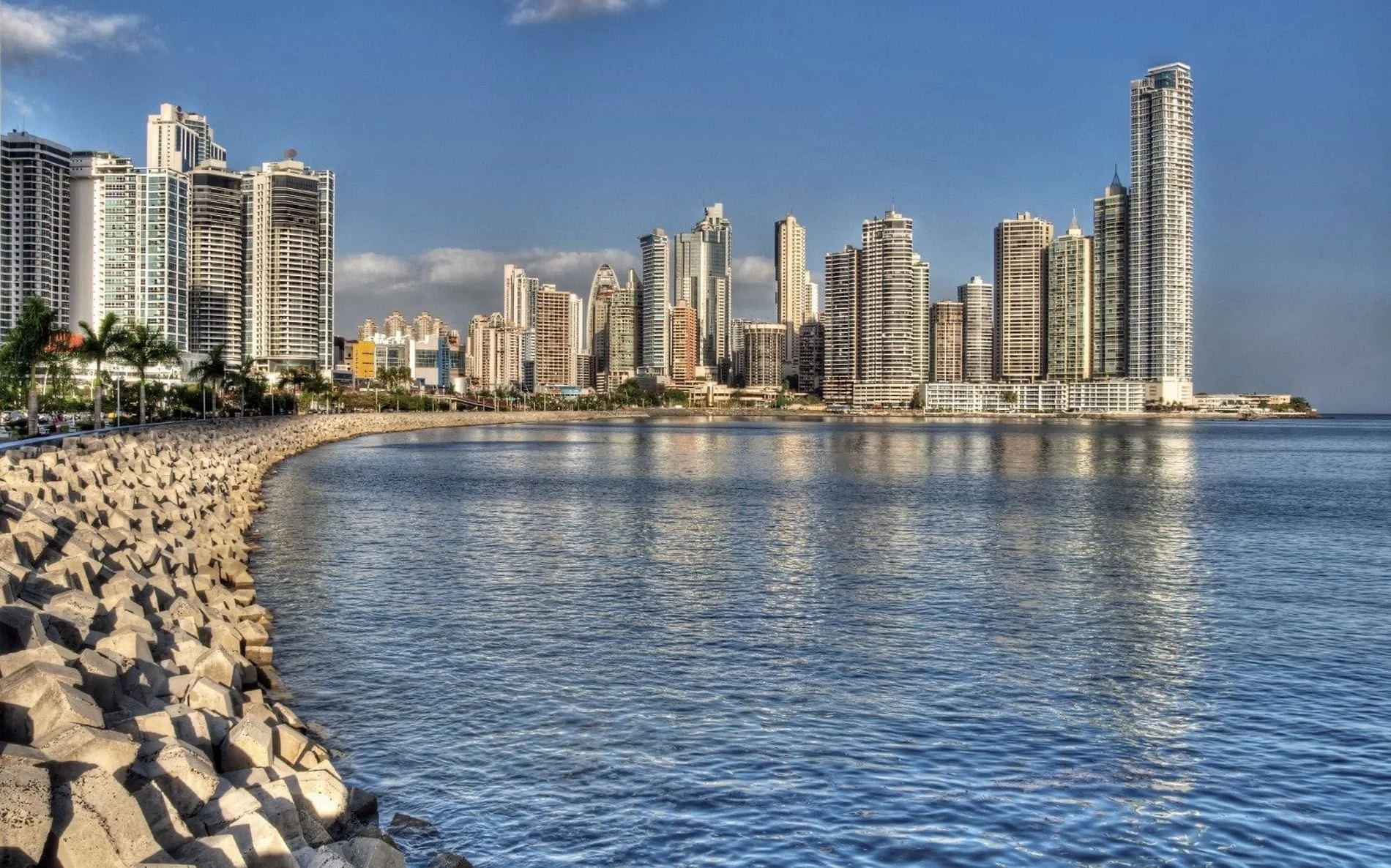 It offers a lower cost of living than Costa Rica, good healthcare, a dollarized economy, and an accessible retirement visa with many discounts. It’s hot and humid, but mountain towns like Boquete offer cooler climates.
Ecuador and Colombia dropped off the list due to safety concerns, despite low costs and beautiful environments.
And finally, the number one country this year is Greece. It offers a Mediterranean climate, affordable living, and beautiful coastlines. However, it has challenges with healthcare rankings, bureaucracy, and safety perceptions. Greece offers retirement and golden visas, but it’s not the easiest path to citizenship.

Apply for Visa
Borders are just lines—your courage is limitless


Apply for Residency
Because home isn’t a place — it’s where your story grows.