


Top 10 best places to live in Spain in 2026
 If you've been thinking about moving to Spain, then chances are you’ve spent a lot of time deciding where to live. So, in this news, we're going to share with you 10 of the best places to live in the country. You’ll hear from real people who are living here right now. We’ll talk about the cost of living, the pros and the cons, to help you make the right decision.
First up, we have Tenerife in the Canary Islands. 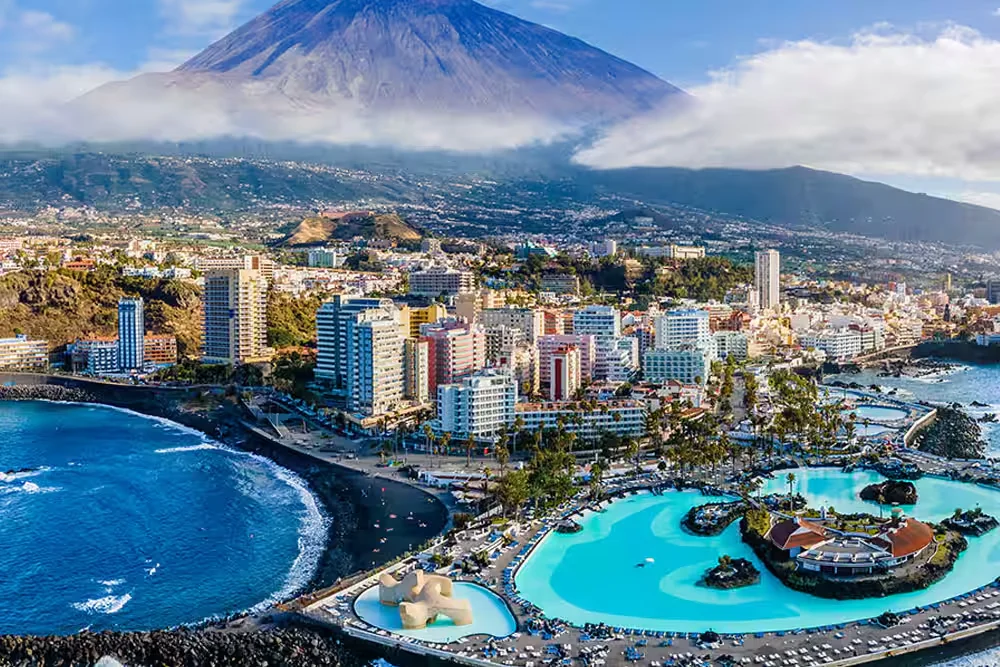 Now, if you’ve never heard of Tenerife, it is a stunning volcanic island that’s technically part of Spain but sits off the coast of Africa. And here’s why people love it. First, the climate. They call it the land of eternal spring. Temperatures here hover between 65 and 80°F year-round. That means no brutally hot summers, no freezing winters—just perfect weather every day.
Second, it’s incredibly affordable. You can live comfortably here on around $1,500 to $2,000 per month, which, compared to living in California or London, means you’re saving thousands. One thing that’s really nice about Tenerife is the large expat population. There are people from all over the world living on this tiny island, including tens of thousands of British expats. So, the Canary Islands—and Tenerife in particular—are places where you can get by without speaking Spanish.
But on the downside, island fever is real here. This is not a place where you can just hop on a train and go to another part of Europe. You need to take ferries to get to the other islands, or you need to fly to get back to the mainland. So, if you want a home base that you can travel really easily from, then perhaps the Canary Islands aren’t the place. But our next destination just might be.
Next, we have Alicante on the Costa Blanca. 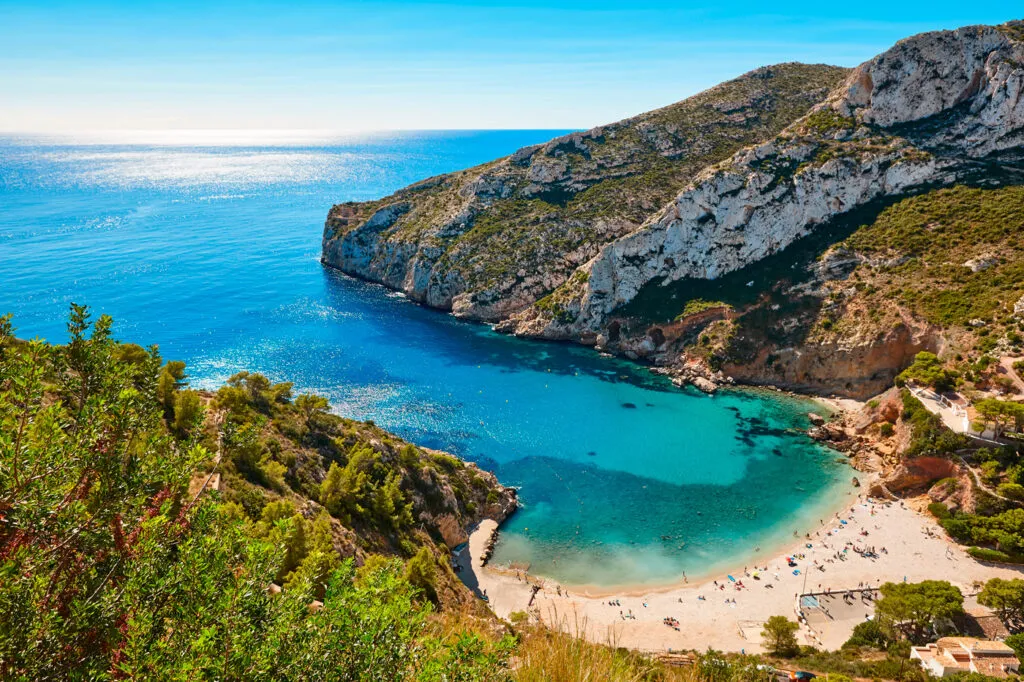 Alicante is one of those places that just feels easy. It’s relaxed, it’s sunny, and it’s become a magnet for expats and retirees, especially those from the UK, Germany, Scandinavia, Russia, and Ukraine. What makes it special is that you get 300+ days of sunshine per year. You also have beautiful Mediterranean beaches and a cost of living that’s still reasonable. You’re looking at about $2,000 per month for a comfortable lifestyle here.
Another big draw of living in Alicante—especially as your first base in Spain—is the international community. There are lots of international schools if you have children, and plenty of expat meetups. So, it’s a place that makes it easier to integrate as your first landing in Spain, before you become fluent in Spanish and before you start exploring more off-the-beaten-path parts of the country.
But that can also be a downside. If you’re coming to Spain for an authentic experience and you find yourself hearing people speaking English everywhere, that might not be what you’re looking for. Another downside to Alicante is that, because of its popularity, housing prices have increased significantly in recent years. This is a trend affecting many of Spain’s larger cities, and you’ll definitely feel it in your wallet in Alicante as well.
Coming in at number eight is Granada in Andalucía. 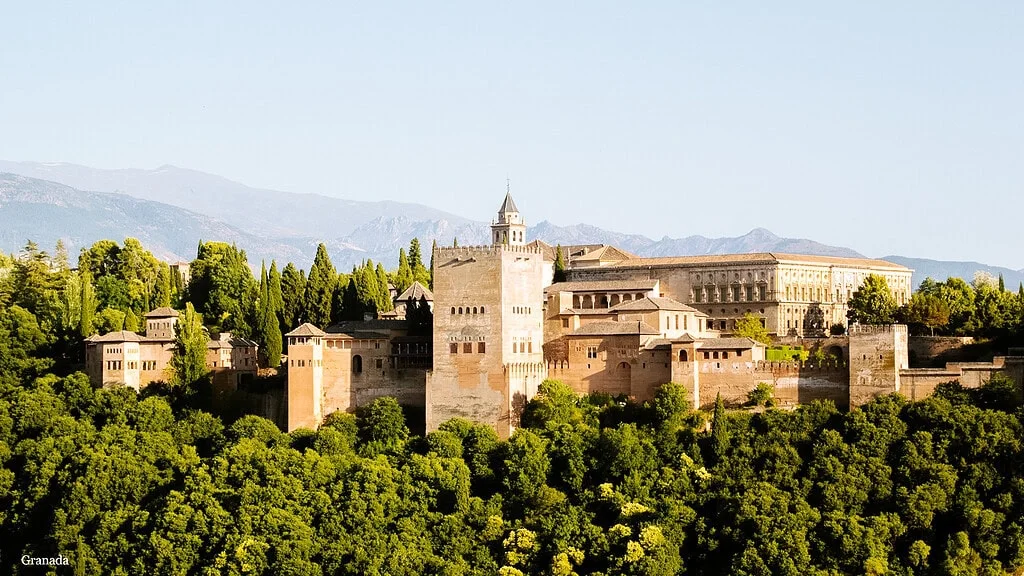 If you’re a history buff, Granada might be your dream city. This is home to the Alhambra, one of the most breathtaking palaces in the world. Walking through these Moorish arches feels like stepping into another century. But Granada isn’t just about history—it’s also one of the most affordable cities in Spain. You can live here comfortably on around $1,800 per month.
Granada is also famous for its free tapas. You can order a drink and get a free plate of food, which is amazing. However, many of my clients who live here say that you’re actually paying for that “free” tapa with higher drink prices. So, always remember: there’s no such thing as a free lunch.
Another thing people love about this area is that you’re surrounded by the Sierra Nevada mountains. You can go skiing in the winter or hiking in the summer, all just a short drive away. One thing to note about Granada is that it’s a student city, so it can be very lively, especially in the city center, where noise can be an issue. If you’re looking for a very quiet retirement destination off the beaten path, this might not be for you.
It also gets very hot in the summer, like many places in Spain. Temperatures can reach into the 90s and even over 100°F. So, if heat is a concern for you, make sure you have air conditioning or consider one of the other places on our list.
Bilbao is a city that has transformed dramatically in recent years. 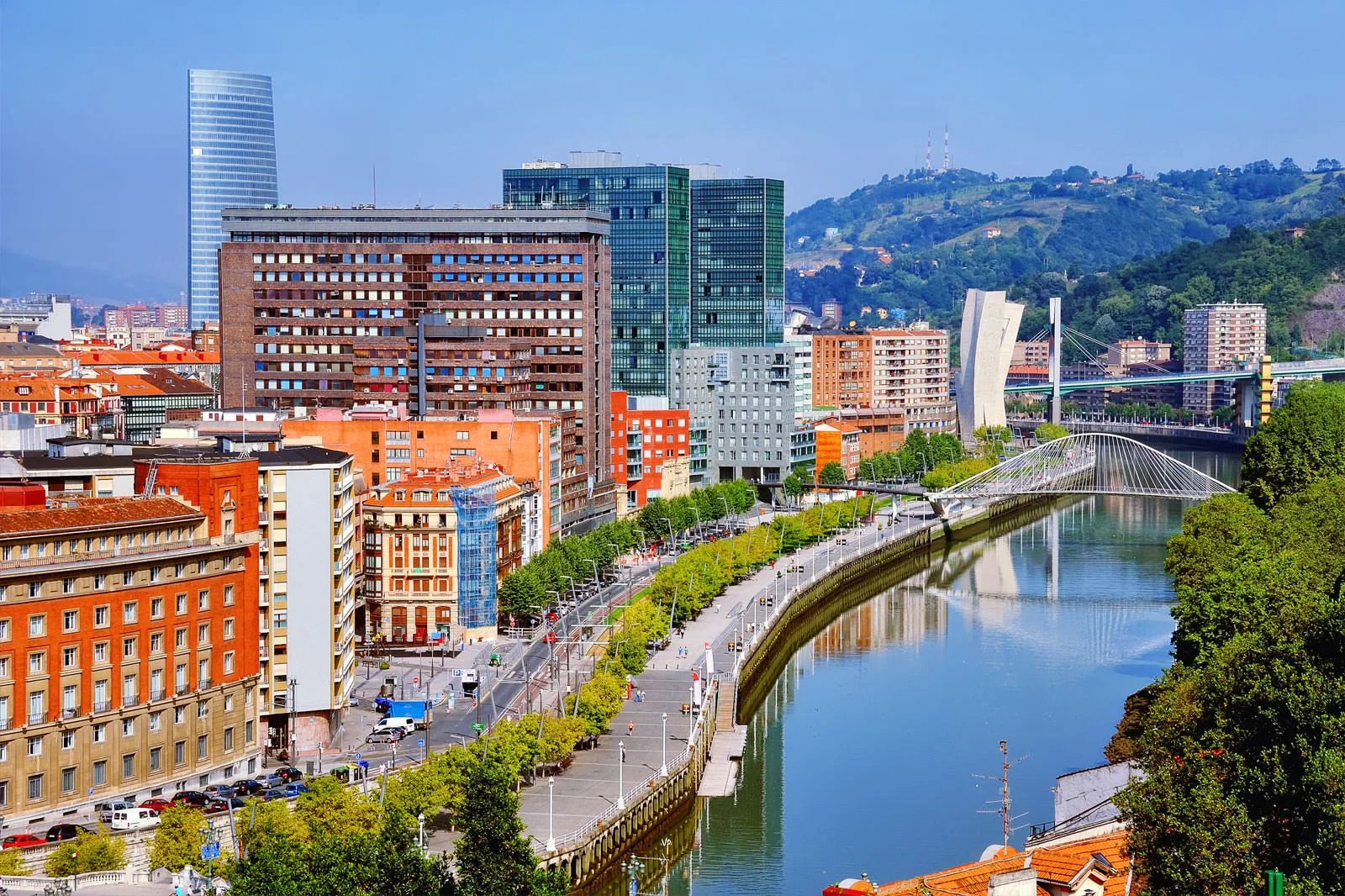 It used to be more industrial, but it’s changed a lot with the growth of art and culture, especially since the construction of the Guggenheim Museum. People love this area because the economy is strong. Bilbao offers some of the highest salaries in Spain and excellent job opportunities, especially in tech, finance, and manufacturing.
Second, the food. Bilbao is famous for pinchos, these small gourmet tapas, and the Basque Country has more Michelin-starred restaurants per capita than almost anywhere else in the world. It’s also safe, clean, and well organized. Public transportation is excellent, the streets are clean, and crime rates are low.
The trade-off is the weather. Bilbao gets over 1,200 mm of rain per year. So, if you need constant sunshine, this probably isn’t your city. It can also be more expensive than southern Spain, with a comfortable lifestyle costing around $1,000 to $1,500 more per month.
Another thing many people don’t realize is that the Basque Country has its own language. While everyone speaks Spanish, many jobs—especially in schools—require some knowledge of Basque. So, there’s a learning curve. But Bilbao could be for you if you’re a professional seeking a high salary, a foodie, or someone who doesn’t mind a bit of rain in exchange for a high quality of life.
Next on our list is San Sebastián, also in the Basque Country. 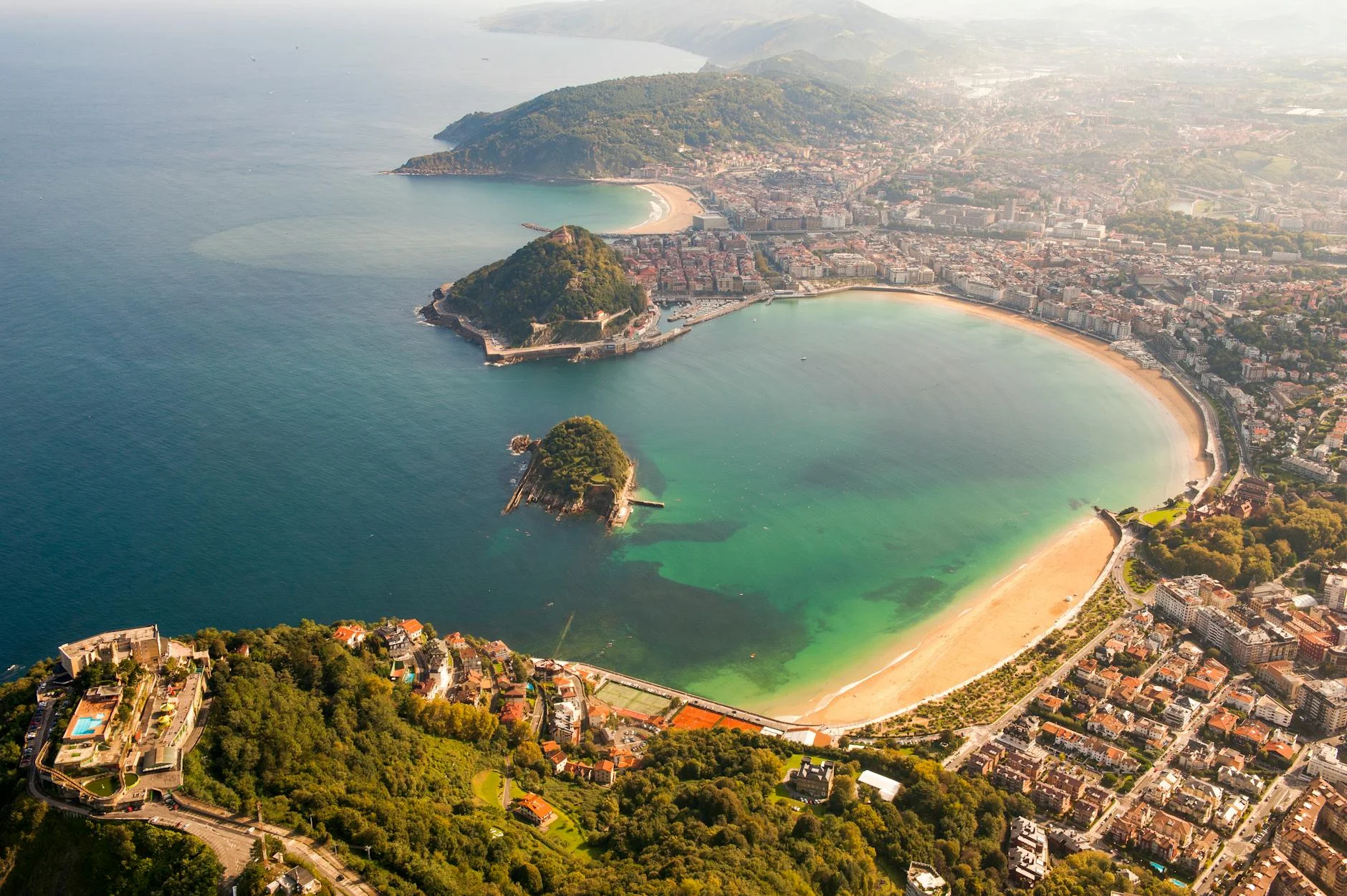 If Bilbao is the modern industrial city, then San Sebastián is the elegant, sophisticated beach town. This place is absolutely stunning, with a crescent-shaped beach in the city center, beautiful Belle Époque architecture, and some of the best food and pinchos on the planet.
The climate here is milder than in southern Spain. Summers rarely exceed 30°C (86°F), and winters are cool but not freezing. However, prices are higher than in many other Spanish cities. Rent can be a few hundred euros more per month, and food prices can be up to 20% higher. In exchange, you get incredible scenery, beaches, green spaces, and walking paths, with the Camino de Santiago running through the area.
It’s also close to the French border, which adds to its appeal. That said, integration can be harder. The community is close-knit, and it can be difficult to make friends, especially if you don’t speak Spanish.
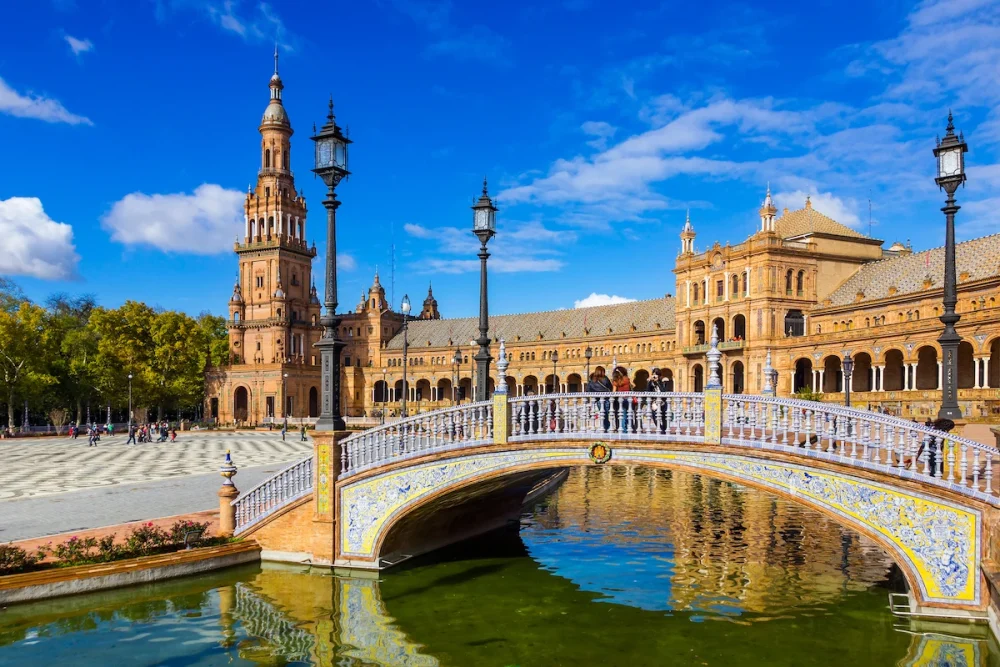
At number five, we have Seville, the heart of Andalucía. 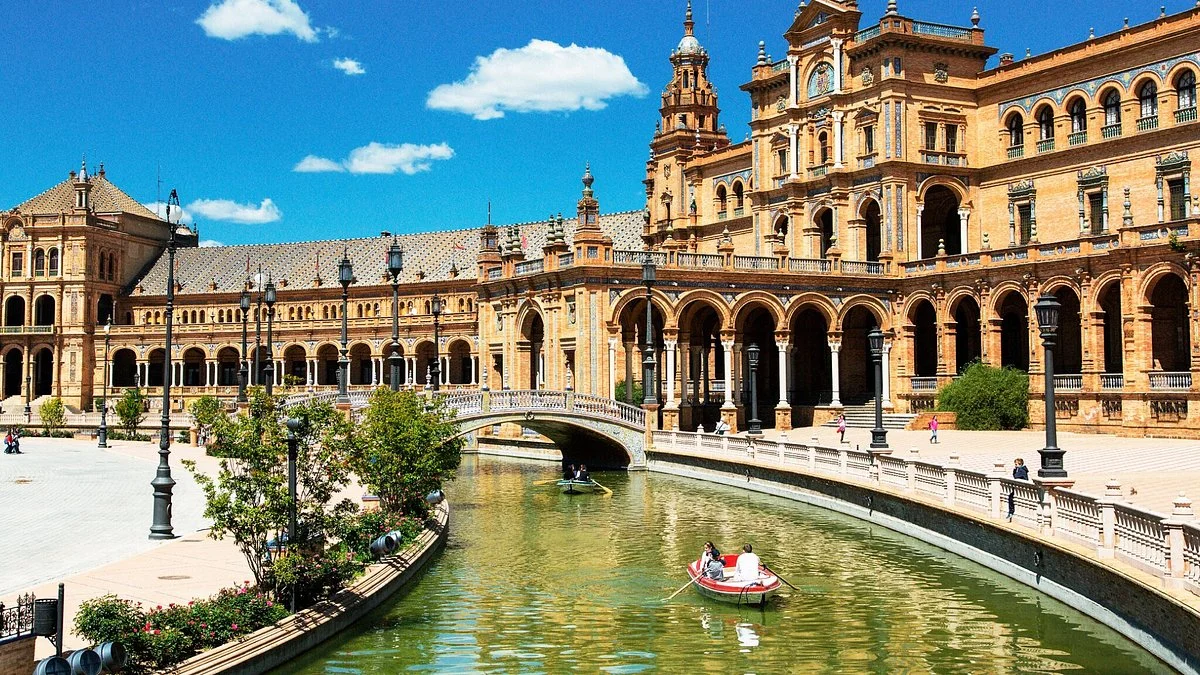 Seville is synonymous with Spanish culture—flamenco, bullfighting, Moorish palaces, and stunning architecture. Walking through Seville feels like stepping into a movie, especially during Semana Santa or the Feria de Abril.
Seville is one of the safest cities in Spain and has an incredible nightlife. The city has more bars and clubs per capita than any other city in Europe. People regularly stay out until 2, 3, or 4 in the morning—it’s part of the lifestyle. You can live here on around $2,000 to $2,500 per month.
The downside is the heat. Summers can exceed 40°C (104°F), making Seville one of the hottest cities in Europe. Without air conditioning, life can be unbearable from June to September. English isn’t widely spoken either, so learning Spanish is important. But if you love culture, nightlife, and authentic Spanish living—and can handle the heat—Seville could be for you.
Madrid may not have a beach, but it has almost everything else. It’s the economic powerhouse of Spain. If you’re moving for work, Madrid is often the best option. A local friend told me he moved from Valencia to Madrid for job opportunities, but the cost of living is significantly higher. He pays €1,250 per month for an unfurnished studio in one of the nicest neighborhoods.
Madrid offers incredible amenities—restaurants, museums, and culture—but winters are colder and summers are hotter than in coastal cities. Some people also find the weather grayer and rainier compared to places like Valencia or Málaga. So, there’s a trade-off between city life and climate.
Barcelona is probably the most famous city on this list. 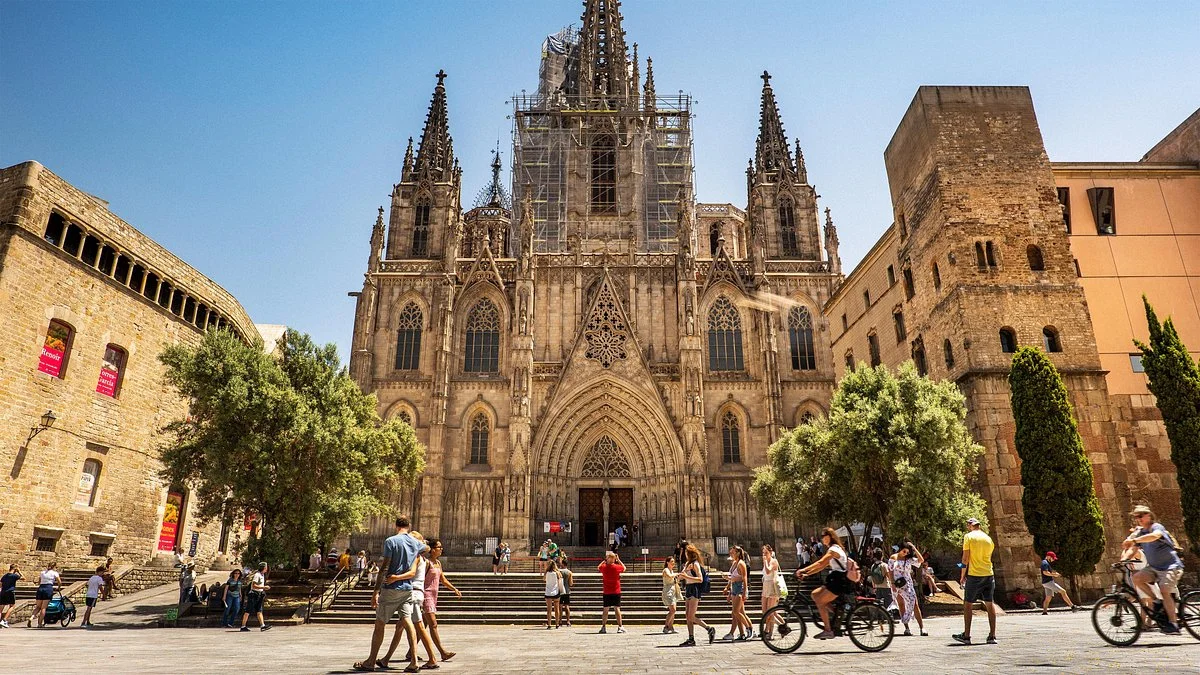 With Gaudí architecture, Mediterranean beaches, world-class food, and a vibrant international energy, it attracts people from all over the world. It’s a major hub for digital nomads, entrepreneurs, and startups, offering co-working spaces and international schools.
You get the best of both worlds—city life and beach life. But crowds and costs are hard to ignore. Housing prices have skyrocketed, and a property that might cost €450–€850 elsewhere could cost €1,500–€1,600 per month in central Barcelona. Tourism is heavy, and protests have occurred, but if you want a cosmopolitan lifestyle and don’t mind the crowds, Barcelona could be for you.
Next up is Málaga on the Costa del Sol. 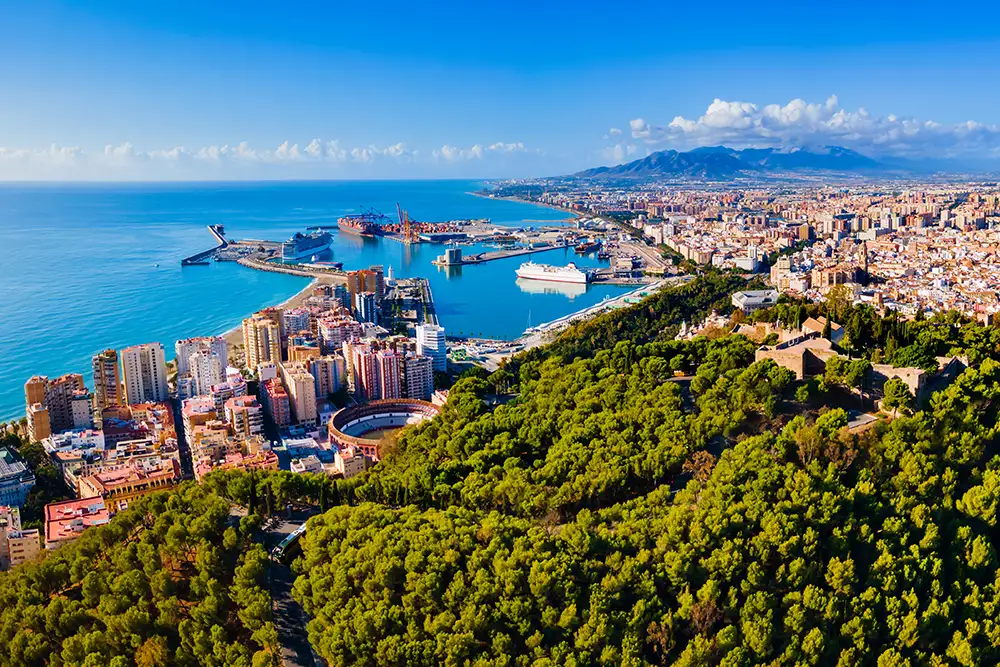 Málaga was ranked the number one place in the world for expats by the Internations Expat Insider Survey. It offers over 300 sunny days per year, mild winters, a laid-back coastal lifestyle, and a strong cultural scene—it’s also the birthplace of Picasso and home to over 40 museums.
You can live comfortably on around $2,000 per month, though beachfront living in prime areas can push costs to $2,500–$3,000. There’s a massive expat community, making it easy to connect. The downside is summer tourism and rising prices due to popularity.
Another favorite on our list is A Coruña, a medium-sized city of about 250,000 people.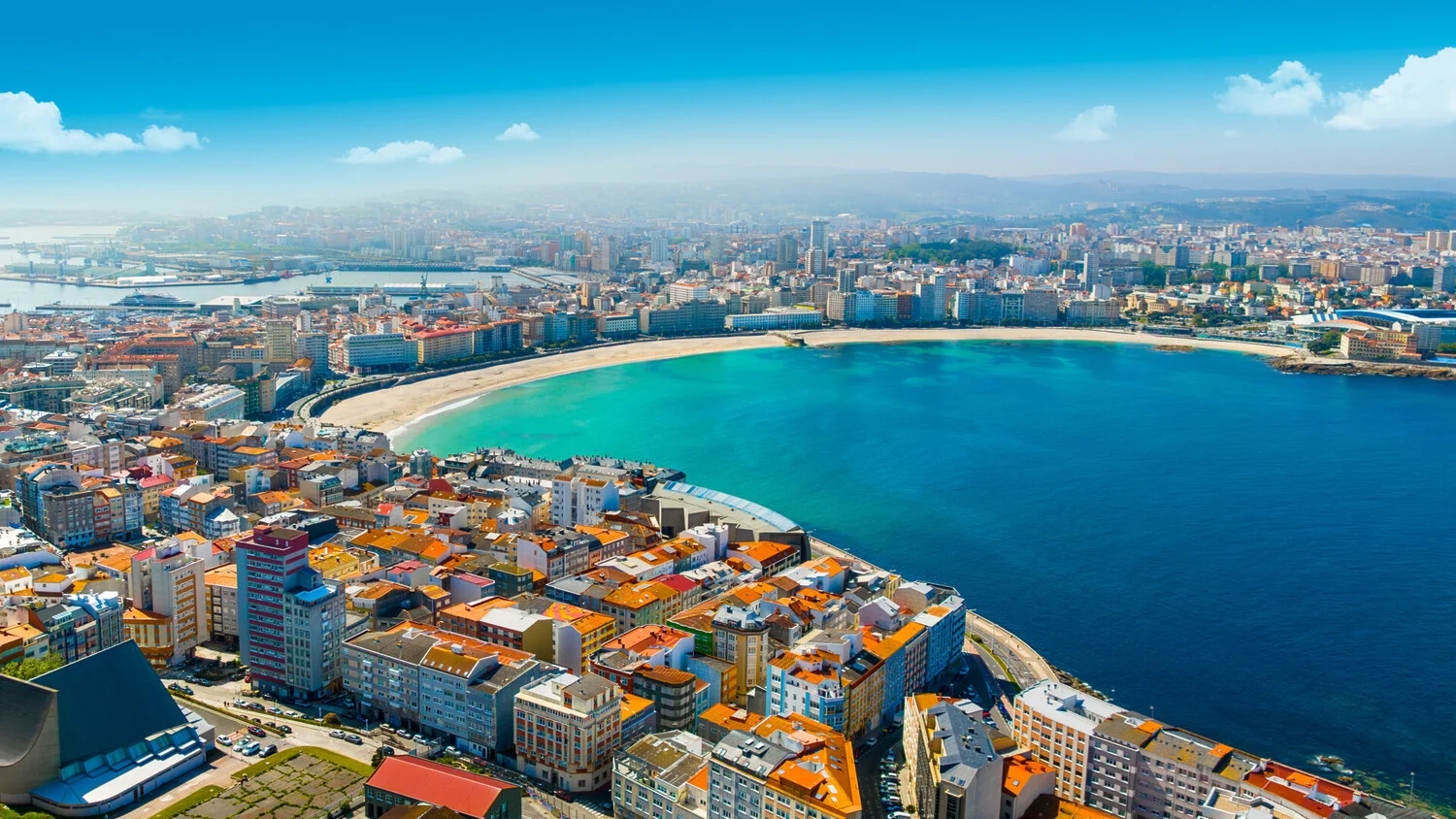 It’s extremely livable, with green spaces, excellent public transportation, and a strong focus on outdoor life—walking, biking, sailing, and enjoying nature daily.
Finally, the number one city on our list is Valencia, consistently ranked among the best cities in the world for expats.  It’s Spain’s third-largest city, offering culture, nightlife, excellent transportation, green spaces, fresh markets, and beaches just 20 minutes away. It’s walkable, affordable, and balanced—making it one of the best places to live in Spain.

Apply for Visa
Borders are just lines—your courage is limitless


Apply for Residency
Because home isn’t a place — it’s where your story grows.