


5 best cities in Canada to move in 2026
Which Canadian city should you choose for relocation if you want plenty of earning opportunities, a high quality of life, and not-too-harsh winters?
We selected five top cities to live in Canada based on the Global Cities Index 2026, one of the most authoritative rankings in the world. We have visited almost all the cities on this list, so we also have something to share from our own experience. Let’s begin.
In 2026, Oxford Economics published the Global Cities Index, which evaluates one thousand of the world’s largest cities based on economic development, education and employment levels, quality of life, ecology, and urban environment.
As many as five Canadian cities made it into the top 100. Moreover, all of them received the highest score — 91.3 — for city governance quality. This means one thing for sure: all these cities are clean, safe, comfortable, and full of green spaces.
If you are planning to move but haven’t yet decided on a city, we won’t drag it out — let’s get straight to the point.
5th place — Ottawa (Capital Region)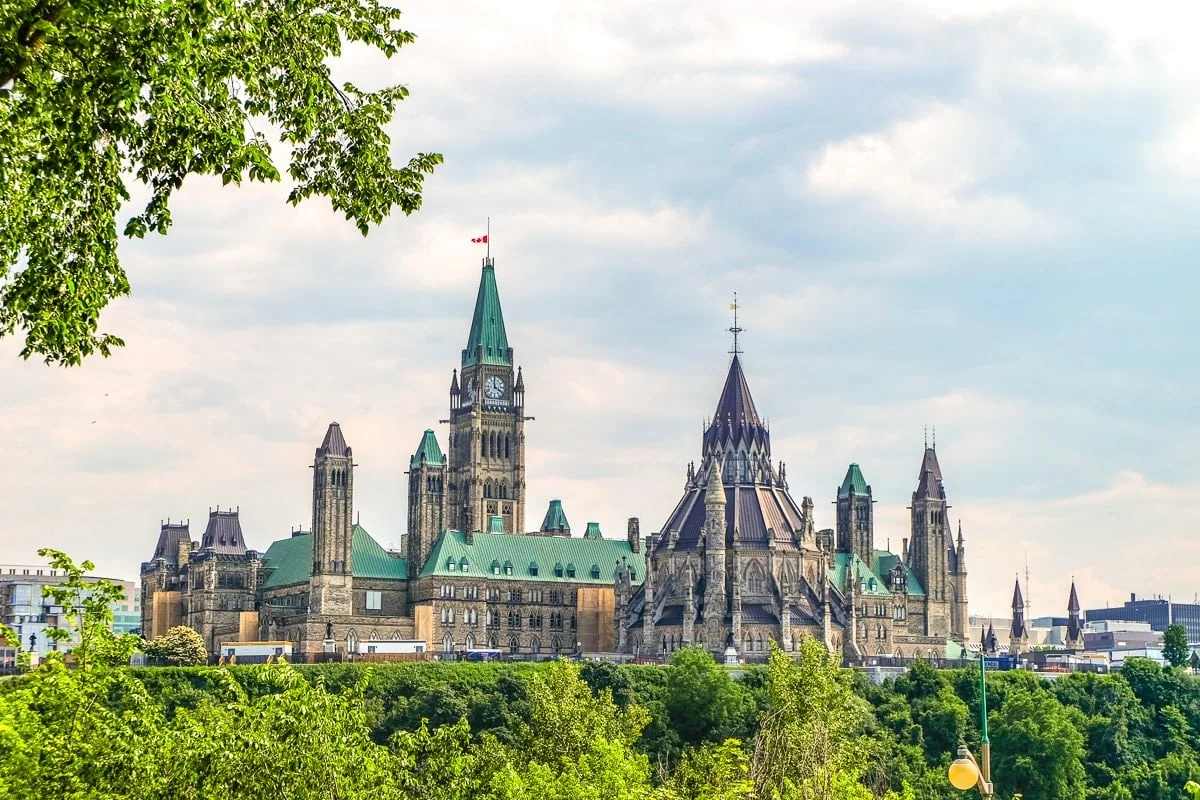
This is where we live. Ottawa scored 72 points in the international ranking and took a leading position among the world’s thousand largest cities. Canada’s capital is not noisy — it is very calm and family-oriented.
In terms of quality of life and ecology, Ottawa received some of the highest scores among Canadian cities — almost 82 and 74.6 points, respectively. Everyone here cares about nature. For example, the University of Ottawa has a green wall that purifies the air inside the building. Ottawa also hosts the largest tulip festival in the world, with over one million flowers planted.
We settled here after moving from another city that is also on this list — we’ll come back to it later. Ottawa is much calmer than Toronto and, honestly, sometimes even a bit boring. Imagine private houses, parks, and very few high-rise buildings, except in the downtown area. But for some people, this peace and tranquility is exactly what they’re looking for.
A unique feature of Ottawa is government employment. There are special programs that allow immigrants to work as civil servants — without connections or bribes. Just keep in mind that without French, opportunities will be more limited, as it is Canada’s second official language.
Ottawa is also home to nearly 2,000 IT companies, employing over 75,000 people. However, the city’s economic score is not the highest — only 56.5 points. This means running a business here is not easy. Employment, especially in the public sector, is a better choice — stable and well-paid. Why not?
Ottawa is ideal for those who value peace, comfort, safety, and proximity to government institutions, without the feeling of a huge city. It’s a great option for families. And don’t worry — you won’t feel lonely after moving here. Ottawa has a large Russian-speaking community, and life here is active: intellectual games, women’s clubs, theaters, and many children’s activity groups created by immigrants.
4th place — Calgary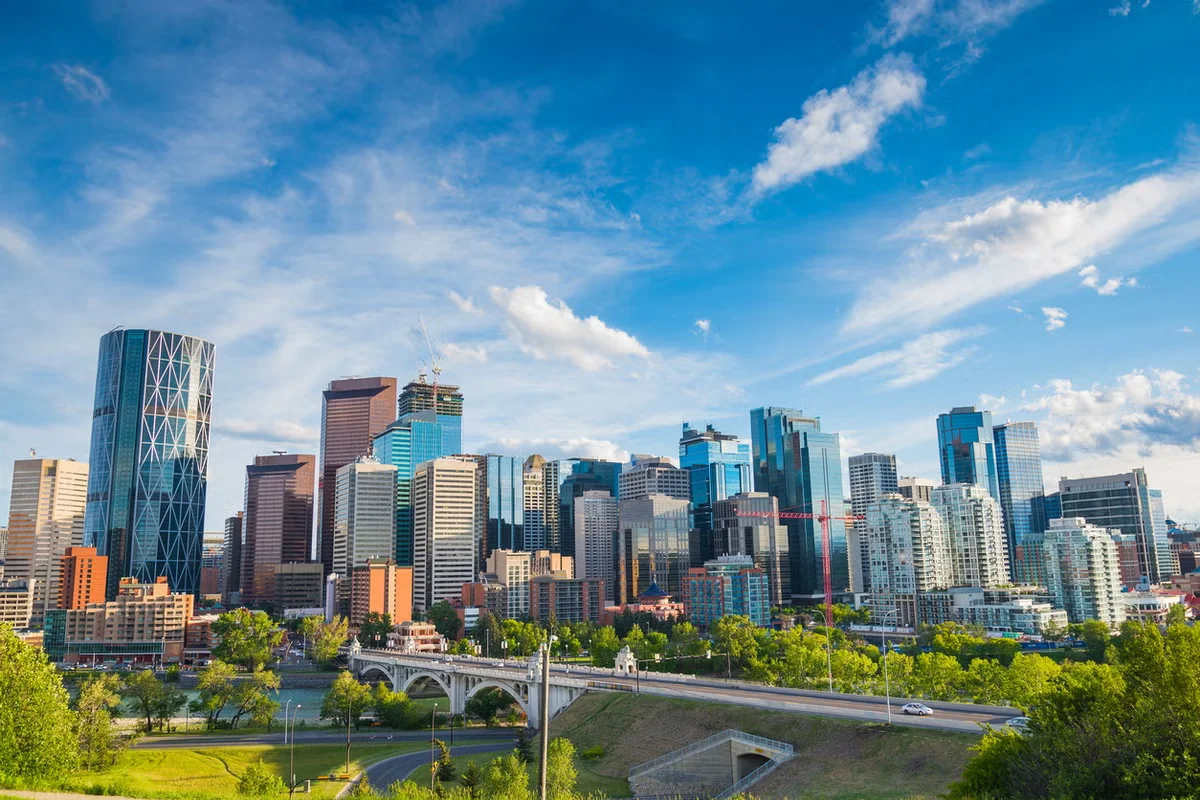
Calgary scored 74.9 points and ranked 61st globally. It is located in Alberta and is very popular among immigrants, especially those moving from other Canadian cities due to lower real estate prices.
This is the only city from the list that we’ve only passed through while traveling across Canada by train.
Calgary offers strong job prospects, stable incomes, and a comfortable urban environment. In education and workforce quality, it scored 69.6 points, even higher than Vancouver. The average age in Calgary is under 36, and about 33% of residents are immigrants.
Calgary has major oil and gas fields and was long known as a city of oil workers with extremely high salaries. While energy remains important, the city is actively developing other industries.
From our finance perspective, Alberta has the lowest taxes in Canada. In Ontario, you pay 13% sales tax, while in Calgary it’s only 5%. Why pay more?
Calgary is considered the sunniest major city in Canada, with nearly 2,500 hours of sunshine per year. Nature lovers will appreciate nearby attractions like Banff National Park, with mountains, turquoise lakes, hot springs, and untouched wilderness. If you’ve seen iconic photos of Canada — chances are they were taken in Banff.
Calgary also hosts the world’s largest rodeo. Winters can be harsh, but not as extreme as in northern Alberta. The average January temperature is around -15°C, while summers can reach 35°C. How do you like that climate?
3rd place — Montreal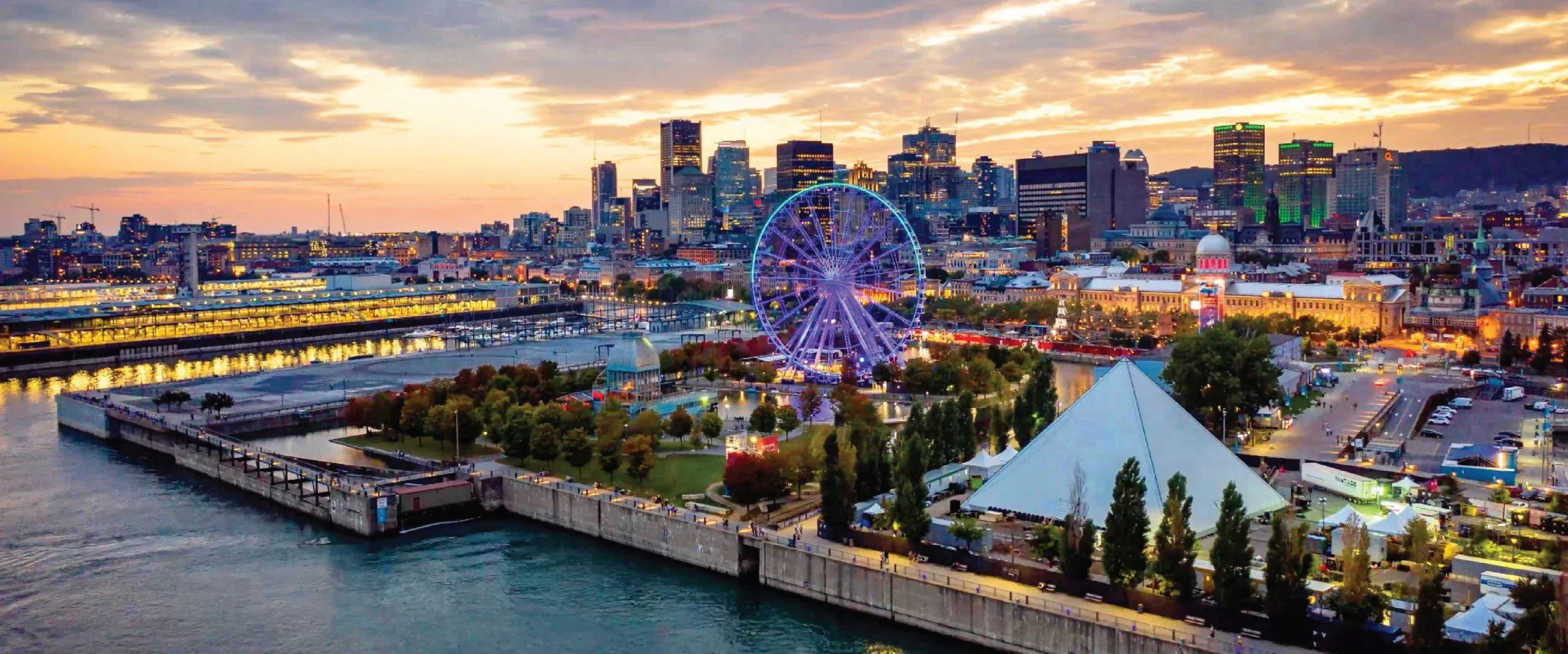
Montreal scored 79.2 points and ranked 43rd globally. We initially immigrated through Quebec and settled in a Montreal suburb. In our first year, we bought a house with a pool and lived there for four years — but eventually moved. we’ll explain why.
Montreal is a piece of Europe in North America and the largest French-speaking city in Canada. It has excellent quality-of-life indicators — 80.1 points. Housing is cheaper than in other top cities, there are many students, and strong universities. McGill University is often called Canada’s Harvard, with 12 Nobel Prize laureates among its graduates.
The city features preserved European architecture from the 15th–17th centuries and hosts amazing events — jazz festivals, comedy festivals, Formula 1, and many others. Montreal is often considered Canada’s most cultural city.
Winter brings heavy snow, but city services remove it quickly. Cars parked near houses are often covered with special tents to make snow removal easier. Summers are hot — you’ll see many convertibles, which we didn’t notice in other Canadian cities. Cold water was free in Montreal, unlike in Ottawa. Pools are very common, and people enjoy them for months.
However, there are serious downsides. First — French. Without it, life is difficult, and the government is not very friendly toward English-only speakers. Second — economic performance is modest at 68 points, meaning lower salaries and a less diverse economy.
Medical care is another issue — seeing specialists can take six months or longer. These reasons led us to move from Quebec to Ontario.
Still, if not for these drawbacks, Montreal is a fantastic city — perfect for students, creatives, and lovers of European aesthetics with Canadian reliability. There is definitely more action here than in the capital.
2nd place — Vancouver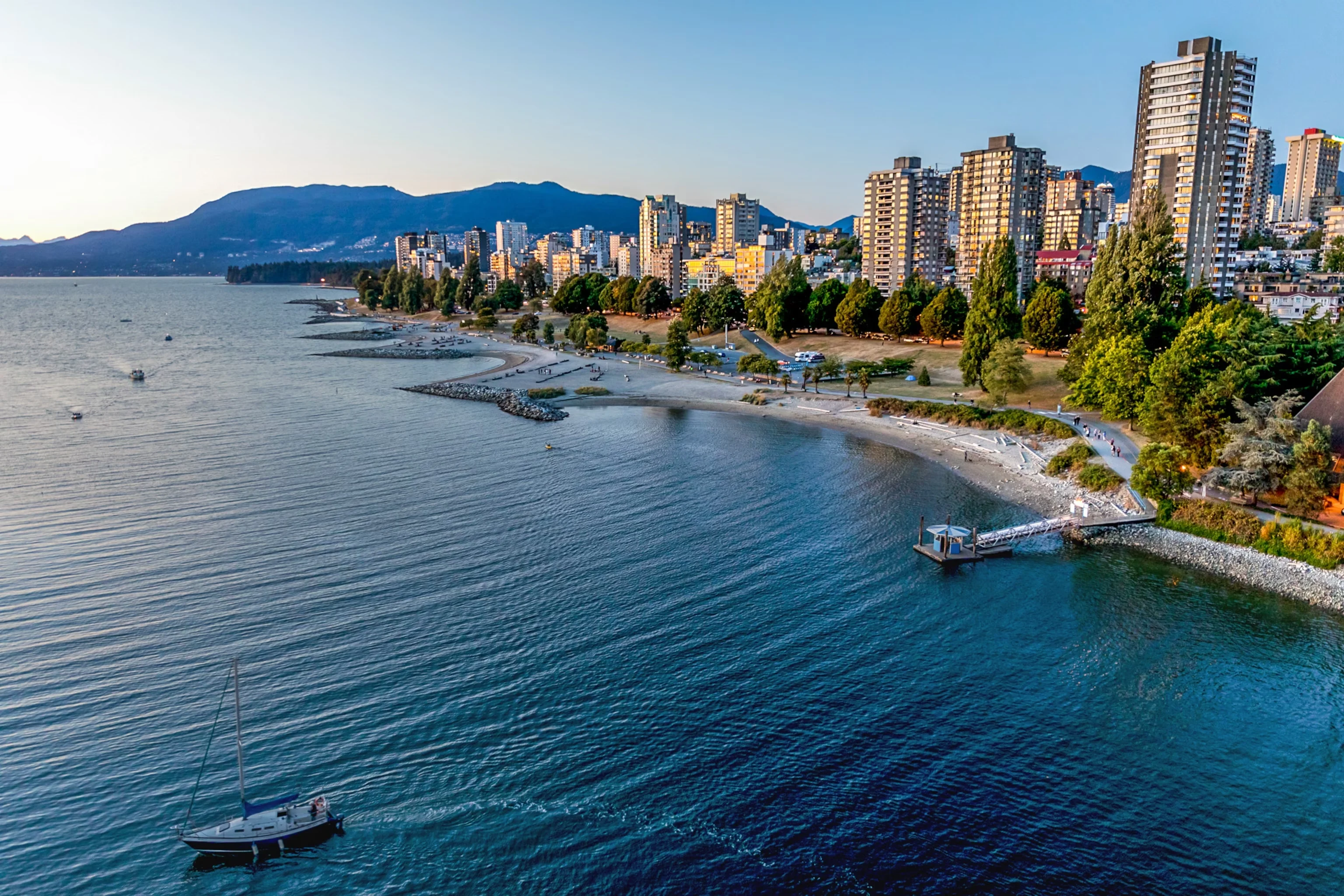
Vancouver ranked 37th globally, scoring nearly 80 points. It has some of the best environmental conditions among global megacities — over 82 points, the best in Canada.
Clean air, proximity to the ocean, mountains — Vancouver is often called Northern Hollywood. It ranks second in North America for TV production and third for film production, after Los Angeles and New York. Movies like Deadpool and series like Money Heist were filmed here.
Vancouver often plays other cities on screen — New York, San Francisco, even Moscow, and even other planets in Star Trek. It also scored 77.2 points for quality of life and made it into the list of the happiest cities in the world.
Winters are mild — temperatures rarely drop below zero near the coast, and snow appears only a few days a year. About 40% of residents are immigrants. Due to popularity, Vancouver is one of the most expensive cities in Canada, competing with Toronto.
It’s ideal for nature lovers, tech professionals, and creatives. Downsides: high cost of living and very expensive fuel. For example, gas was $1.80 CAD in Vancouver versus $1.20 CAD in Ottawa — which explains the high number of electric and hybrid vehicles.
1st place — Toronto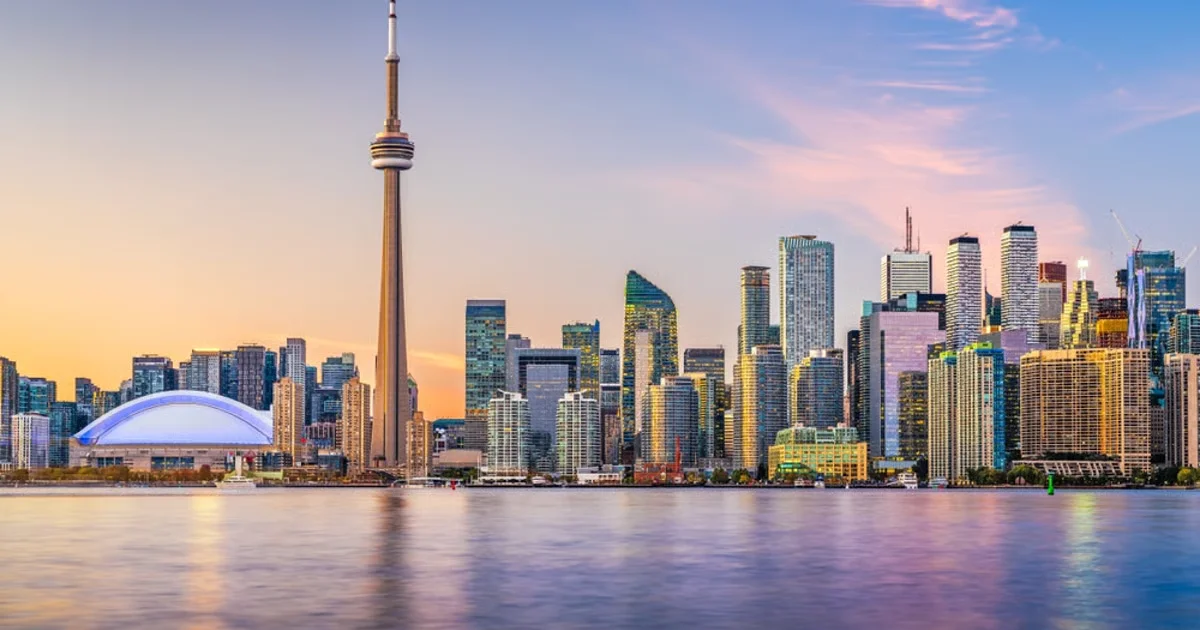
Toronto scored 84.5 points, ranking 20th worldwide. This is not just Canada’s best city — it’s one of the best cities in the world.
Toronto leads in popularity among immigrants and Canadians alike. Strong economy (76.7 points), education and workforce quality (76.4), and solid quality of life (74.5). Ecology is weaker (74.4), but the city continues to expand green zones and environmental initiatives.
Winters are mild by Canadian standards — similar to Kyiv. Less snow, no sharp temperature swings, and warmer than Ottawa. Toronto is Canada’s business capital, hosting numerous global headquarters. A huge share of Canada’s GDP is produced here, and nearly half of all tech and finance professionals work in Toronto.
Housing prices are brutal — one of the most unaffordable cities in the world. Toronto speaks over 160 languages, and more than 50% of residents were born outside Canada. English dominates, making adaptation much easier than in Montreal.
If you need a job, a big city, and maximum cultural activity per square meter — Toronto is your city. Yes, it’s expensive, but opportunities are everywhere.
Wherever you end up — dynamic Toronto, cozy Ottawa, sunny Calgary, francophone Montreal, or eco-friendly Vancouver — you will find yourself in Canada. The key is knowing what you’re looking for.

Apply for Visa
Borders are just lines—your courage is limitless


Apply for Residency
Because home isn’t a place — it’s where your story grows.