


What's changed in Canada in 2026 ?
 Life in Canada has changed since January 1.
Taxes have been reduced, and social benefits have increased. Employers are no longer allowed to require Canadian work experience when hiring employees. And if you have obtained a provincial license, it will now be easier to get a federal one. Immigration is also changing. There are both good and bad news there. Let’s go through everything step by step, so read until the end.
Specially for you, we have prepared important information about what is changing in Canada in 2026. Many of these laws have already come into force.
Let’s start with the pleasant part — taxes. And here the news is truly good.
As of January 1, 2026, the federal tax rate on the first portion of income has been reduced from 15% to 14%. This rate applies to income of approximately up to $58,500 per year.
How does this work?
Let’s say you earn $70,000. On the first $58,000, you pay tax at the new 14% rate, and on the remaining $12,000, you pay at the old rate of the next tax bracket. As a result, a family where both spouses work can save up to $840. It’s a nice feeling when more of your honestly earned money stays with you.
The basic personal amount — income that is not taxed at all — has also increased. It is now approximately $16,500.
And here is another great piece of news. You may remember there were plans to tax not half, but two-thirds of capital gains from the sale of stocks or real estate. Prime Minister Mark Carney has cancelled this proposal. The rules remain the same: tax is paid only on half of the capital gain.
The next change may also make you happy.
As of March 12, 2026, large federally regulated banks are required to cap non-sufficient funds fees at a maximum of $10. Imagine the situation: a person already has no money, an automatic payment fails, and the bank charges a $50 fee. Absurd. If this happened a couple of times a month, it could be over $1,000 per year just in penalties. Now the maximum fee per incident is $10.
According to estimates, about one-third of Canadians have encountered such a fee at least once a year. We ran into this when a cheque took a long time to clear.
There are also two additional restrictions.
First, if the shortfall on the account is less than $10, no fee can be charged at all.
Second, the bank cannot charge a repeat fee if it has already charged one within the previous two business days.
Another interesting update: starting from the 2026 tax year. The Canada Revenue Agency will introduce a simplified automated tax filing process for some Canadians with low income and a simple tax situation. Why is this needed? So that people do not lose access to benefits — child benefits, GST credits — simply because they did not file a tax return. Who qualifies will be determined by the CRA according to its criteria. By 2028, the program is expected to expand to 5.5 million people.
There is also a change related to the current trade relationship with the United States.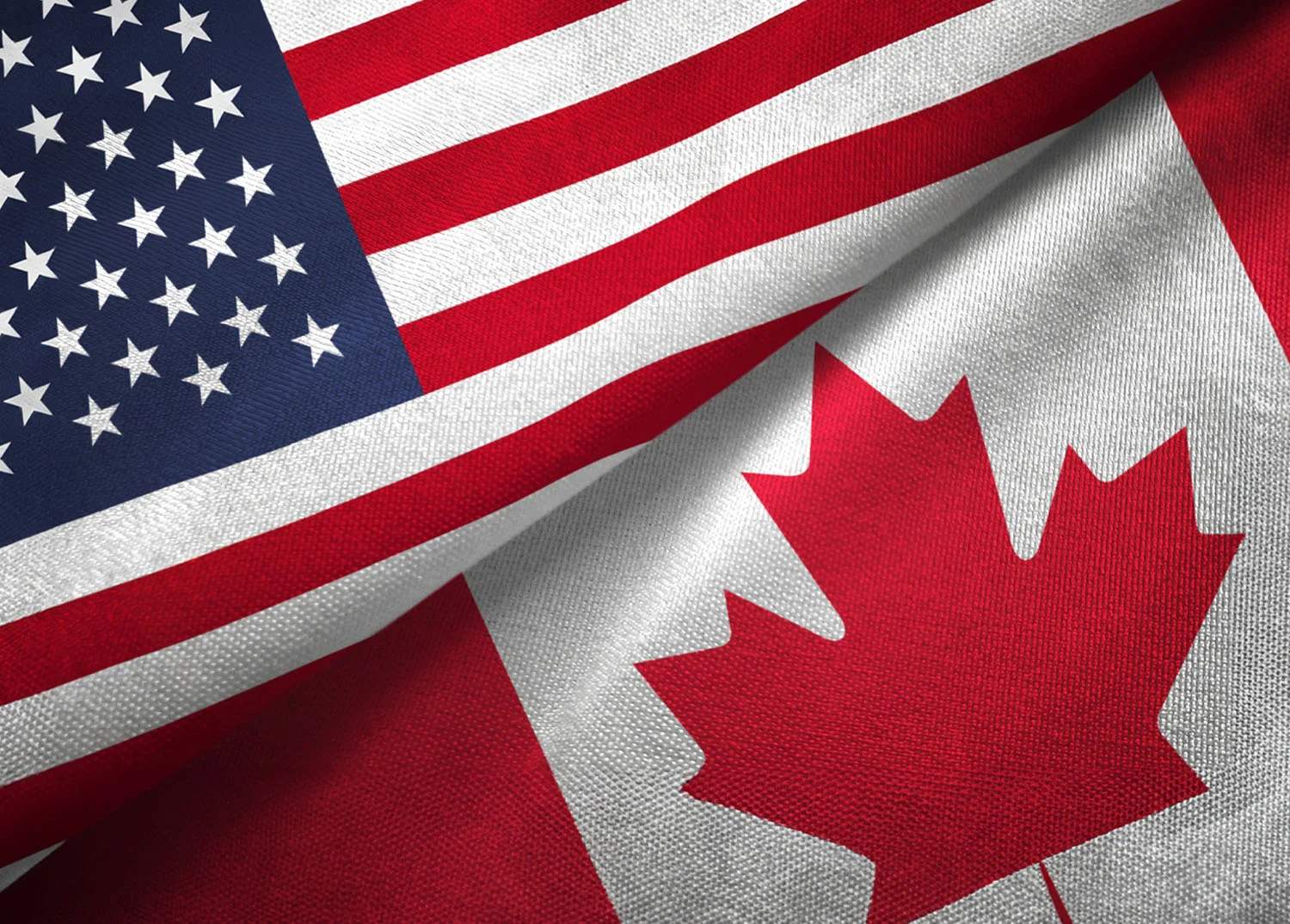 If earlier the two neighboring countries were like an older brother and a younger sister, under Trump’s leadership things changed. Many tariffs were imposed on Canada. As a result, the government announced a policy of prioritizing Canadian suppliers in government procurement. Key elements of this policy came into force on December 16 last year, with full implementation expected by spring 2026. The process started with steel, aluminum, and lumber. According to the government, this is part of an economic resilience strategy.
As for the carbon tax, the news is mixed. The consumer carbon levy has been set at $0 as of April 1, 2025. However, the industrial carbon tax continues to rise. According to the federal schedule, the price for industry in 2026 is around $110 per ton. So this may still affect prices in stores.
Now let’s talk about payroll deductions.
In 2026, the maximum contribution to the Canada Pension Plan will be about $4,650. This is slightly more than last year, but future pensions will also be higher. Employment Insurance contributions will be up to about $1,120.
Moving on to benefits — and here the news is good. Everything is indexed.
The Canada Child Benefit will increase starting in July 2026. For a child under 6, you can receive up to $8,200 per year. For a child aged 6 to 17 — up to $7,000. The exact amount depends on your income.
The GST credit is also increasing. For those who don’t know, this is a quarterly government payment that helps offset sales tax. It is received by families with low and middle incomes. Starting this July, a single adult can receive up to $550 per year, a couple up to $700, plus up to $200 per child. Payments are made four times a year: January, April, July, and October.
There are updates for seniors as well.
Old Age Security as of January 2026 is about $740 per month for those aged 65–74, and about $820 for those aged 75 and over. The maximum CPP pension at age 65 — a different type of pension — is about $1,500 per month. The Guaranteed Income Supplement for single seniors can reach up to $1,100 per month.
Now about minimum wage. This is important for those just starting work in Canada or working part-time. In Ontario, the minimum wage is currently around $17.50 per hour, possibly slightly higher. It is usually reviewed in October, so keep an eye on updates.
In British Columbia, the current minimum wage is almost $18 per hour, with an increase effective June 1.
In Quebec, it is just over $16 per hour, with an increase from May 1.
In Alberta, the minimum wage has not changed since 2019 and remains $15 per hour — the lowest among major provinces.
The federal minimum wage is expected to be around $18 per hour starting April 1, 2026.
Important information for renters in Ontario: the maximum rent increase for 2026 is 2.1%. This is the lowest figure in the past four years. If you rent in Ontario and the landlord wants to raise the rent by more than this, in most cases it is not allowed without approval from a special authority. However, this rule does not apply to housing first occupied after November 15, 2018.
In British Columbia, the limit is slightly higher at 2.3%.
In Quebec, starting January 1, 2026, a new rent calculation system is being introduced. The formula becomes more standardized and considers inflation, municipal taxes, insurance, and capital expenses.
In Alberta, there is still no limit on rent increases.
For those saving for their first home, let us remind you about the First Home Savings Account. You can contribute up to $8,000 per year with a tax deduction, and withdraw funds tax-free when purchasing a home. The lifetime limit is $40,000.
Another important update for first-time homebuyers. If the bill passes, first-time buyers will be able to receive a refund of the federal GST on new homes priced up to $1 million, with a maximum refund of up to $50,000. Homes priced between $1 million and $1.5 million will also receive a partial refund. Ontario has already stated that if the federal law is adopted, it will cancel the provincial portion of this tax as well.
For foreigners without status who wanted to buy property in Canada — this remains impossible. The ban on home purchases by non-residents, which was supposed to expire, has been extended for another two years until January 1, 2027.
By the way, if you haven’t heard yet, Canada Strong Pass is available until January 15. It offers free and discounted access to national parks, museums, trains, and more. The program was launched in 2025 to support domestic tourism. It will return in summer 2026, although exact dates have not yet been announced.
There are also updates in healthcare.
The free prescription drug program is expanding. In British Columbia, as of March 1, 2026, medications for diabetes and hormone therapy for menopause are fully covered. Agreements have also been signed with Manitoba, Prince Edward Island, and Yukon. Ontario, Alberta, and Quebec have not yet joined.
The dental care program has been fully rolled out. More than 3 million Canadians have already been approved. For families with incomes below $70,000, coverage is maximum. It is important to renew participation every year before June 1, otherwise coverage will stop.
Another change concerns grocery stores. To be honest, we're not yet sure how it will affect us, but we’ll mention it. As of January 1, a grocery industry code of conduct comes into force. These are new rules governing interactions between retailers and suppliers, aimed at making pricing more transparent and fair. We’ll see whether this has a noticeable effect during the year.
The Ministry of Health has also announced plans to increase vitamin D content in milk and margarine to combat vitamin D deficiency among Canadians. Follow official announcements regarding implementation dates.
Now about workers’ rights — and here there are very interesting changes that affect everyone, both those who have worked in Canada for a long time and those who are just looking for a job.
As of January 1, 2026, employers in Ontario with 25 or more employees are required to include salary information in job postings. The salary range cannot exceed $50,000. This does not apply to jobs with salaries over $200,000 per year — in those cases, the range does not have to be disclosed. The rule applies only to public job postings, not internal ones.
Employers must also disclose whether artificial intelligence is used in candidate selection. We find this requirement strange. In our opinion, AI is already used everywhere — certainly in our immigration company, where it significantly simplifies working with clients. After all, Canada has more than 120 immigration programs and streams, and no human specialist can know the requirements of all of them.
Returning to labor law: employers can no longer require Canadian work experience in their job postings. This is a huge victory for immigrants who have faced this barrier for years.
But employers are now required to inform candidates of their decision within 45 days.
Another important change: the new Free Trade and Labour Mobility Act came into force on January 1, 2026. It removes federal barriers to working between provinces. If you have a provincial license, it is now easier to obtain a federal one for work under federal jurisdiction. It’s important to note the exception: provincially regulated professions such as doctors, nurses, and construction trades remain regulated by provinces separately.
A separate topic is remote work.  Many employers are tightening hybrid work policies. Federal public servants are now required to work in the office at least three days a week, and managers four days. Large banks and telecom companies are also revising remote work policies toward greater in-office presence. If you work remotely and value this option, check your employer’s current policy.
Let’s briefly go through other provincial changes.
In Ontario, as of January 1, requirements for carbon monoxide detectors have been expanded. They are now mandatory on every floor in homes with potential carbon monoxide sources, such as fuel-burning appliances, fireplaces, or attached garages. Previously, they were required only near bedrooms. We were surprised to discover that two of our three detectors were expired. Fortunately, there was a sale at Costco, so replacements were inexpensive. Our kids handled the installation.
Penalties for impaired driving are also being tightened in Ontario. License suspensions are longer, and for young and novice drivers, consequences are even stricter under zero-tolerance rules. Simply put — no alcohol with beginner licenses. Repeat offenders must now undergo treatment programs.
Bad news for drivers in Toronto using Highway 407: tolls and transponder fees are increasing. Some peak rates now exceed one dollar per kilometer. However, there is an assistance program offering up to eight free trips per month for those who meet income requirements.
In Toronto, the waste recycling system is also changing. Responsibility is shifting from the city to packaging producers. More materials will become recyclable, including black plastic containers and beverage cups.
In Quebec, contributions to the parental insurance program have been reduced, and drivers with no demerit points receive a license fee discount of up to $50 instead of $120.
In British Columbia, insurance rates have been frozen for the seventh consecutive year.
In Alberta, a new disability assistance program starts on July 1, 2026. For new applicants, payments will be about $1,740 per month.
And good news for families with children: the national school food program, launched in 2024, is becoming permanent. If you have two school-aged children, savings on groceries can reach up to $800 per year. These are funds you don’t spend on lunches because children eat at school. It is also believed that well-fed children learn better. The budget allocates more than $200 million annually starting in 2029. The program already covers up to 400,000 children and will continue to expand.
Briefly about electric vehicles.  The federal subsidy program has been suspended — funding has run out. Unfortunately, We never became a fan of electric cars and instead bought a powerful vehicle that runs on premium gasoline.
Provincial programs still operate in Quebec, offering up to $2,000 in rebates through the end of 2026.
In British Columbia — up to $4,000 depending on income.
In Manitoba — $4,000 for a new EV and $2,500 for a used one.
Now to what we promised to talk about — immigration.
Canada has approved a new immigration plan for the next three years. Each year, the country will accept about 380,000 permanent residents. In addition, 115,000 protected persons will receive permanent residence over the next two years.
This is a significant number. And here is what matters: the share of provincial nominations has increased by almost two-thirds — to 91,500 spots. In Express Entry, provincial nominations add 600 points, which dramatically increases the chances of receiving an invitation. There are also independent provincial streams with simplified requirements. So if you previously looked only at federal programs, it’s time to study provincial ones.
The family category received 84,000 spots, including 69,000 for spouses and children. Parent sponsorship has been paused as of January 1, with only previously submitted applications being processed.
Some immigration programs have been paused, and quotas in various categories have changed significantly. However, the share of skilled immigrants has increased substantially compared to previous years.
Now about temporary residents. 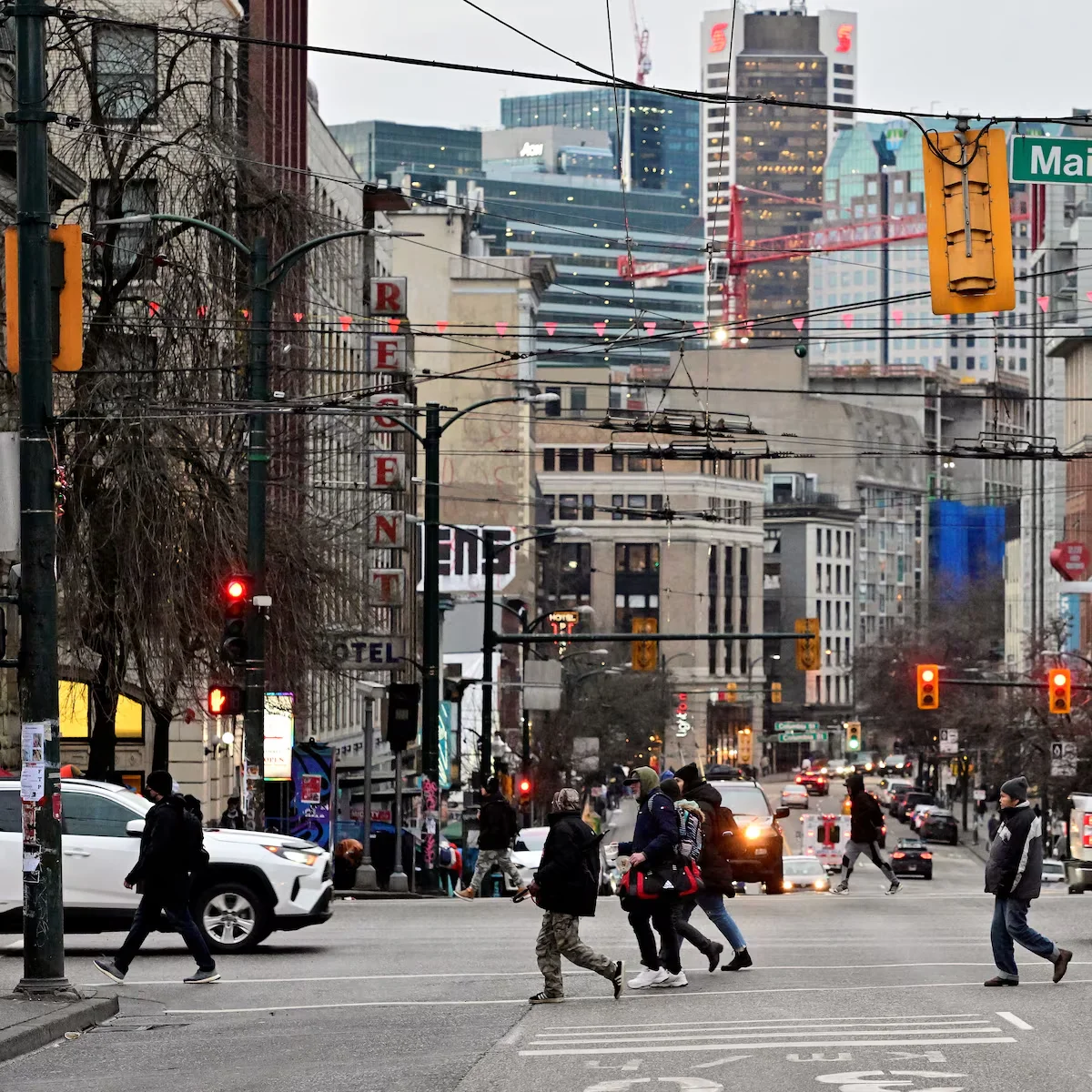 Changes here are significant and mostly negative, but context is important. In 2026, 260,000 work permits will be issued. The quota for new international students has also been reduced to 155,000. This does not include extensions and returning students.
Why these changes? As you may know, the largest number of migrants to Canada come from India. In recent years, there have been many investigations into mass document fraud and cases where people obtained student visas but did not actually study. The new restrictions are aimed at combating these abuses, not at honest students. Our clients continue to receive student and work visas. On January 2, we already had our first work permit approval of the year. The system works — as long as documents are in order and the purpose of travel is genuine.
Good news for those entering master’s or PhD programs at public universities. As of January 1, 2026, you no longer need to obtain provincial confirmation. This simplifies the application process.
There are also updates in Express Entry. A new priority category for doctors has been announced, with invitations expected to begin early this year. Last March, points for job offers were removed due to fraud concerns, but there are plans to bring them back in 2026. The exact timing is not yet known.
Another important update concerns citizenship. As of December 15, 2025, a law came into force expanding citizenship by descent. Previously, children of Canadians born abroad could obtain citizenship only in the first generation. Now the rules have changed. If a Canadian parent lived in Canada for at least three years before the child’s birth, the child may also be eligible for citizenship. This affects thousands of families worldwide — possibly even you.
So this is what 2026 looks like in Canada.
What does this mean for you? If you already live in Canada, recalculate your budget. Taxes are lower, bank penalties are smaller, benefits are higher. You might be able to save a little extra.
It’s important to remember that many rules differ by province. What works in Ontario may not work in Alberta or Quebec. Always check information specific to your province.
Related

Apply for Visa
Borders are just lines—your courage is limitless


Apply for Residency
Because home isn’t a place — it’s where your story grows.