


A number of documents for moving to Canada in 2026
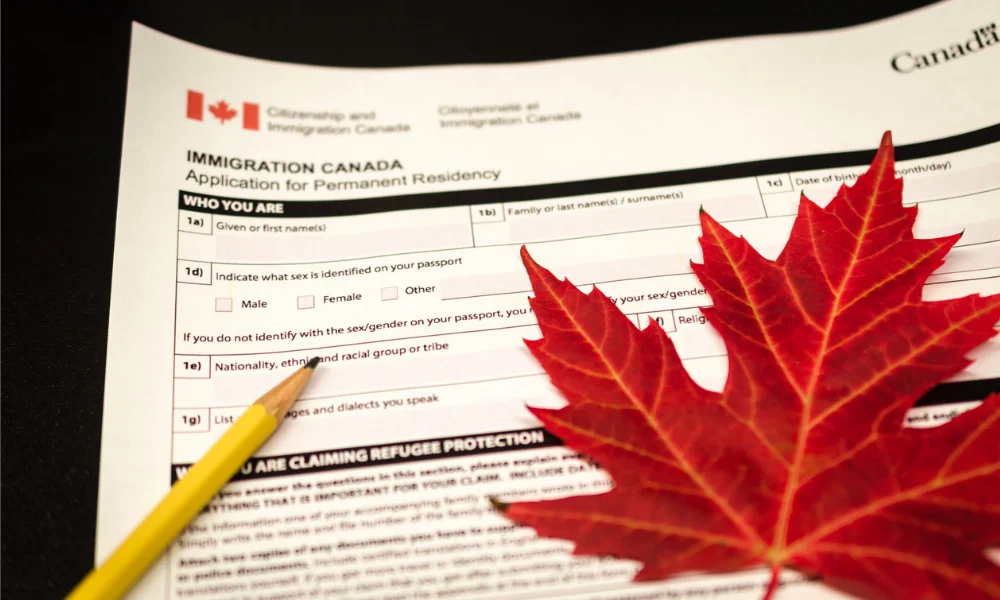 What documents should I prepare in advance so that I have them on hand if I am planning to immigrate to Canada?
We have prepared a list of approximately five to seven key documents that, in most cases, are required for immigration to Canada. we want to say right away that in some immigration programs certain documents are not required, and in other programs some documents are required. That’s why we made a general list, so that these documents are always at hand.
If you are already in Canada and thinking about immigration, this news is also worth reading, because you will still need to collect a document package, and these documents will most likely be required.
Let’s start with the most basic thing you must have on hand if you want to immigrate to Canada. That is a passport.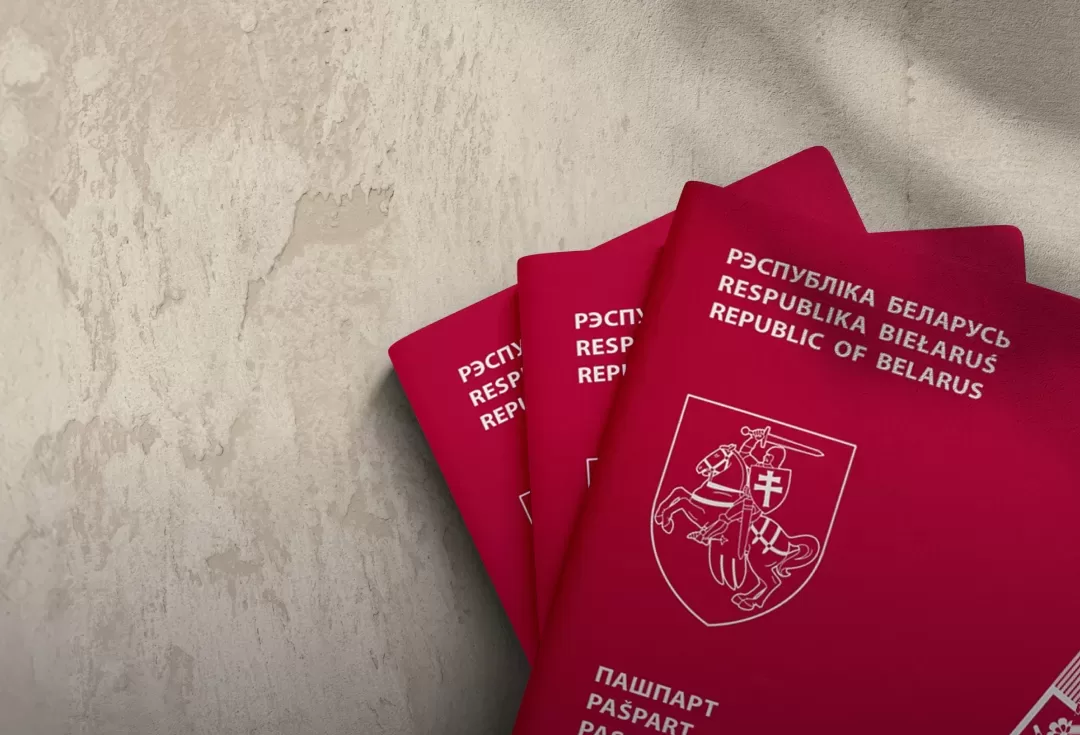
If we’re talking about citizens of Belarus, that’s your passport, because as far as we understand, Belarusians use one passport both as a domestic and international passport.
In short, you must have a valid passport, preferably with a long validity period. We’ll explain why. For immigration programs, it’s usually enough if the passport is valid for at least a couple of years. But if we’re talking about a work visa, for example, and you have a three-year contract with a Canadian employer, but your passport expires in two years, your visa will only be issued for two years. In Canada, by law, a visa cannot be issued for a period longer than the validity of your passport.
So renew your passport. It’s better to have a new one. Keep the old one too, but get a new one. For example, Russian citizens, as far as we remember, can have two international passports at the same time. So renew your passport and have it ready.
Take your birth certificate with you. You really shouldn’t go without a birth certificate. It’s a must-have.
You also need photographs that meet Canadian immigration requirements. These requirements are listed on the official Government of Canada website. Make sure you have proper photos. They have specific criteria. Also note that photos have an expiration period—around six months or up to a year. So you don’t need to rush and take them immediately, but keep in mind that you’ll need them.
Next—family status and everything related to family.  If you are immigrating to Canada as the principal applicant, you can bring your spouse and your children with you.
So you must have documents for your spouse and children. What documents are we talking about? A marriage certificate. If you were married and divorced—a divorce certificate. If your spouse passed away—a death certificate. If you changed your name or surname, you should also have documents confirming that change.
If you have children, you need their birth certificates so they can immigrate with you. Children can be included in immigration programs if they are under 21 years old. In some cases, it’s possible a bit later if you can prove that the child is still dependent on you, but generally dependent children are under 21.
If you are a legal guardian of a child—for example, if your spouse has a child from a previous marriage—you need documents confirming guardianship.
Also, in some countries, if one parent is taking a child abroad, permission from the other parent is required. For example, in Russia, this is necessary.
Next topic—language.
About 99.9% of Canadian immigration programs require proof of English or French proficiency. Yes, there are small programs where a language test is not required, but language knowledge is still expected. We strongly recommend taking a language test.
English can be confirmed through several tests. The most common is IELTS General. There is also CELPIP General. A new test called PTE was introduced recently, but it’s still not very clear how it works. By default, IELTS General is the safest option. IELTS Academic is for university admissions, not immigration.
You can also confirm French language proficiency through approved French tests. A full list is available on the official Canadian government website.
Now, a common question: “If I’m applying for a work visa, do I need to take a language test?” Officially, the requirements for a work visa may not state that a language test is mandatory. But statistically, applicants who have taken a language test—even with low scores—have a higher approval rate.
Yes, there are people who got work visas without language tests. Yes, there are people who got visas with language tests. And yes, there are cases where applicants did not submit a language test, and during processing they were asked to provide one. That creates serious problems—booking a test, taking it, waiting for results, submitting them.
So while a language test may not be legally required, in practice it is strongly recommended, even with a very low score. It shows that you made an effort.
Next—education.
In most immigration programs, education must be confirmed. At minimum, completed secondary education is required—usually 11 years of schooling, or 9 years plus college. Higher education is even better.
You need your diploma and transcript. You also need an Educational Credential Assessment (ECA). This is an evaluation that compares your education to Canadian standards.
There are several organizations approved by Canada. The most popular one is WES. Another one is the University of Toronto. If you want a higher equivalency, WES is usually better.
The process depends on your university. Sometimes scans are enough. Sometimes documents must be sent by the university. Sometimes physical sealed envelopes are required.
For spouses—doing an ECA for a spouse can give additional points in some programs, so it may be worth it.
Next—work experience.
Only official work experience counts in Canada. Cash jobs do not count. If taxes were not paid, the experience does not count. Immigration officers can verify this. There are specialized departments that know how documents work in different countries.
Work experience is usually confirmed through reference letters from employers, but officers may request additional proof.
Next—proof of funds.
Some immigration programs require proof of settlement funds. This is confirmed through bank statements showing transaction history and average balances. Borrowing money temporarily does not work, because officers look at transaction history.
If you are already working in Canada on a work permit and apply for permanent residence from within Canada, in most cases proof of funds is not required.
Next—police clearance certificates.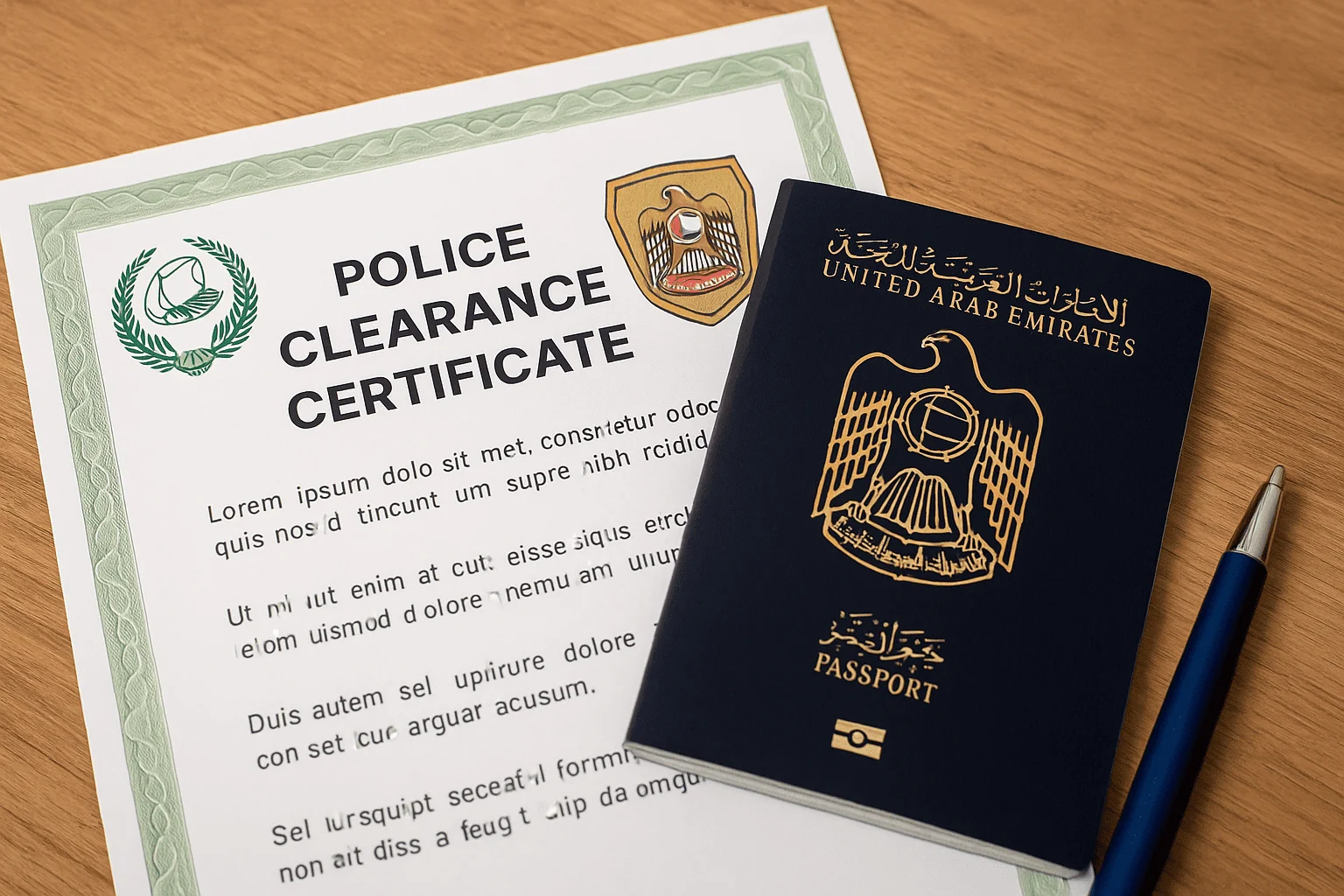
You need police certificates from all countries where you lived for more than six months since the age of 18. These certificates are usually valid for six months, so you should request them only when you are close to applying.
Next—biometrics and medical exam.
After applying, you will likely be asked to submit biometrics (fingerprints) and later undergo a medical exam at an approved clinic. The purpose is to ensure you do not pose a health or security risk. Most people pass without issues.
Additional documents may be required depending on the program—for example, a job offer, LMIA, provincial nomination certificate, or proof of relatives in Canada.
All documents must be translated into English or French by a certified translator. Apostille is generally not required. We used certified translations without notarization.
If you are already in Canada, translations must be done by a certified translator from your province.

Apply for Visa
Borders are just lines—your courage is limitless


Apply for Residency
Because home isn’t a place — it’s where your story grows.