


Top 10 most dangerous cities in Canada
 Did you know that some cities in Canada have crime rates higher than parts of the US that are considered dangerous? It's true. Despite Canada's global image as a peaceful and polite country, the reality on the ground tells a different story. In fact, recent statistics reveal a surge in violent crimes, property theft, and gang activity across multiple Canadian cities, even in places you'd never expect. Imagine planning a vacation, moving your family, or starting school in what seems like a calm, scenic Canadian city, only to find out later that it's one of the most dangerous places in the country.
From hidden hot spots of drug trafficking to rising homicide rates in cities often praised for their lifestyle, there's a growing crime crisis most people aren't talking about. In this news, we're uncovering the top 10 most dangerous cities in Canada, backed by fresh data and real reports. Some of these may shock you, so make sure you read until the end.
Number one, Edmonton, Alberta. 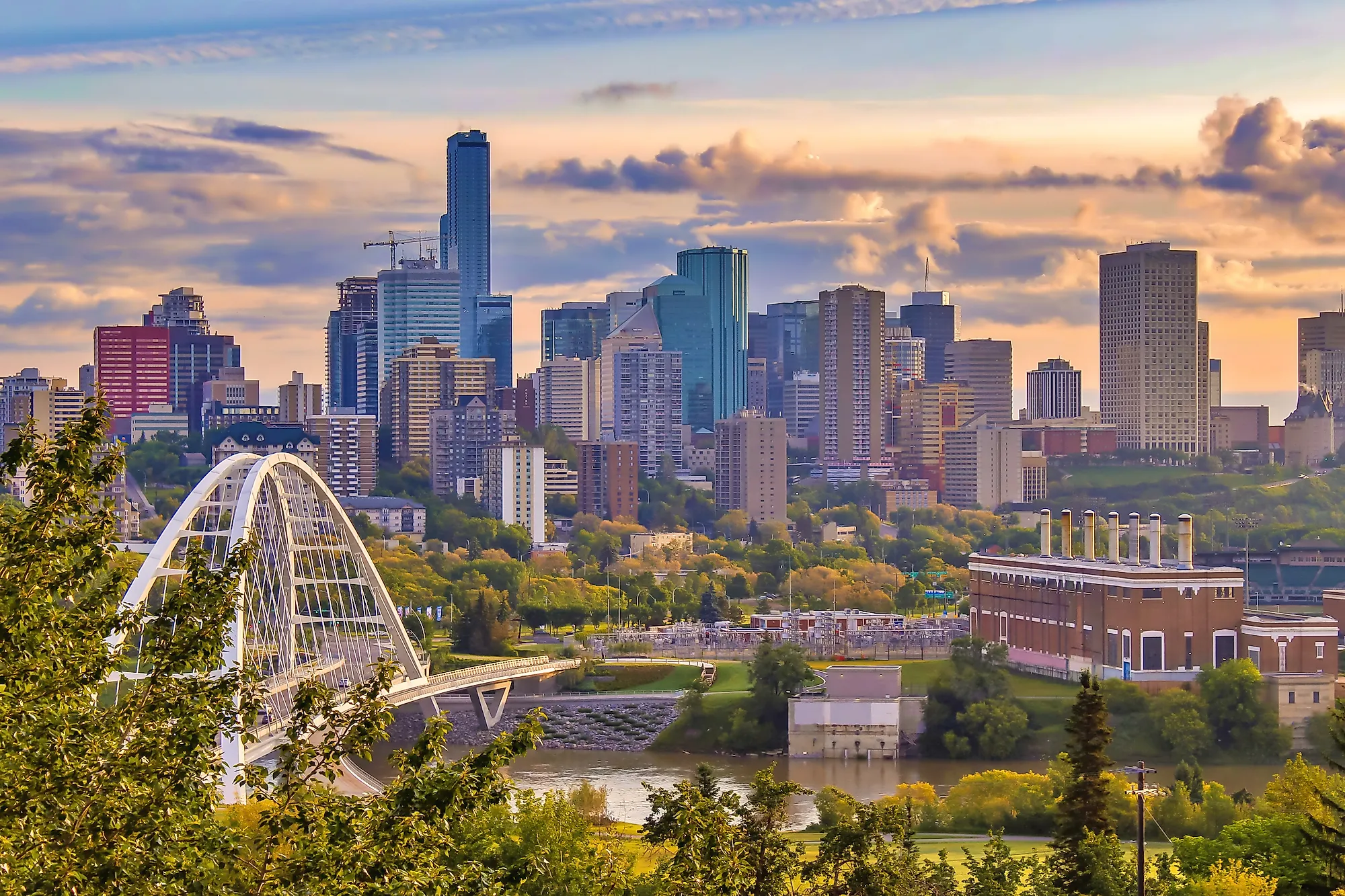 A city of contrasts. Known as the gateway to the north, Edmonton is home to stunning river valleys, Canada's largest shopping mall, and a vibrant art scene. But behind the festivals and family-friendly attractions lies a city struggling with a rising tide of violent crime. According to the latest data from Statistics Canada, Edmonton's crime severity index is nearly double the national average, with spikes in assaults, robberies, and drug-related offenses.
What's even more alarming is that these aren't isolated incidents. They're increasingly spreading across multiple neighborhoods, including areas once considered safe. Edmonton has seen a sharp increase in gang activity, homelessness, and drug trafficking in recent years—issues that have overwhelmed both law enforcement and social services. Downtown areas, especially around transit hubs and nightlife districts, have become hotspots for violent encounters, particularly after dark.
Police have reported a rise in random, unprovoked attacks on pedestrians, with many incidents linked to mental health crises and substance abuse. Locals often warn against walking alone at night, and even visitors are advised to remain vigilant, especially in less populated zones. The combination of economic stress, drug addiction, and a strained public safety system has turned certain parts of Edmonton into unexpected danger zones.
But perhaps what makes Edmonton particularly unsettling is the contrast. One minute you're enjoying a summer festival in Churchill Square, and the next you're only blocks away from an area with one of the highest assault rates in the province. This dual identity—part thriving cultural hub, part crime-ridden center—is what lands Edmonton at the top of our list. If you're planning to visit or move here, do your research, learn the safer neighborhoods, and above all, stay alert.
Number two, Winnipeg, Manitoba.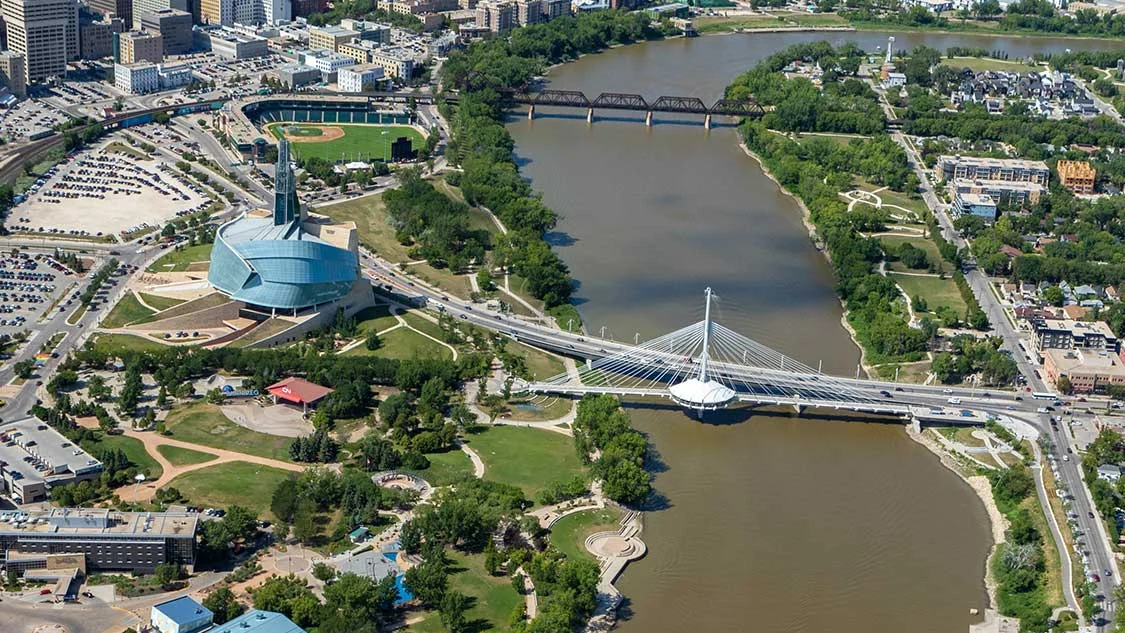 Winnipeg might surprise some by landing this high on the list. It's the capital of Manitoba and known for its rich indigenous heritage, world-class museums, and thriving art scene. But beyond the beauty lies a darker reality. Winnipeg consistently ranks among the most dangerous cities in Canada, with one of the highest homicide rates per capita in the country.
According to recent police reports and Statistics Canada, violent crime is a persistent issue, particularly assaults, armed robberies, and domestic violence. What's more disturbing is that many of these crimes are happening in residential areas, not just shadowy corners of the city. One of the major contributors to Winnipeg's crime problem is its ongoing struggle with poverty, gang violence, and addiction. Certain neighborhoods, especially in the north end and downtown core, have become crime hotspots where emergency sirens are heard almost daily.
The city has also seen a surge in methamphetamine use, fueling a cycle of violence and mental health crisis. Police and community outreach programs are working hard, but the issues run deep and affect every level of society, from youth to seniors. For locals, it's a balancing act between enjoying the city's charm and constantly watching their backs. Despite its reputation, Winnipeg still draws tourists, students, and new residents. But it's a city where you must be aware of your surroundings.
Locals often advise locking car doors even while driving, avoiding certain streets at night, and traveling in groups whenever possible. While Winnipeg has a lot to offer, its growing crime rate is a serious concern, and it deserves your attention if you're planning to visit or make it home. Stay cautious, stay informed, because in Winnipeg, what you don't know can hurt you.
Number three, North Battleford, Saskatchewan.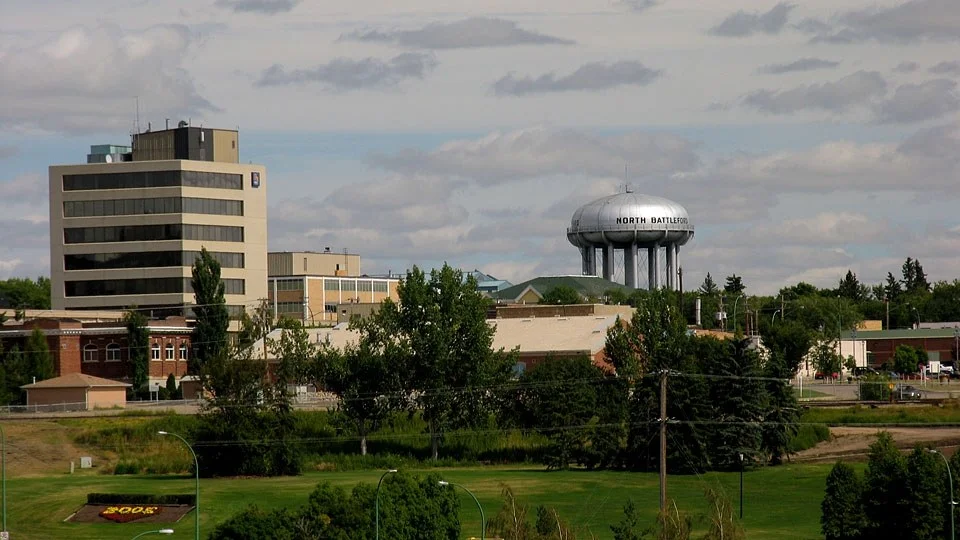
It is Canada's crime capital per capita. You might not expect a small prairie city like North Battleford to rank so high, but the numbers don't lie. Despite having a population of just over 14,000, North Battleford has earned the unsettling title of Canada's most dangerous city per capita more than once. Its crime severity index has consistently topped national charts, driven by alarming rates of break-ins, drug offenses, and violent assaults.
In fact, on a per-person basis, this quiet-looking town is statistically more dangerous than major cities like Vancouver or Toronto—a shocking reality that catches many off guard. What's behind a crime wave? A mix of chronic unemployment, poverty, and limited access to mental health and addiction services has created the perfect storm. Many residents struggle with economic hardship, and that struggle has manifested in property crimes, vandalism, and street-level violence.
The community has been battling an uphill war against meth addiction, which has become a major driver of unpredictable and dangerous behavior. Law enforcement in the area is stretched thin, and even routine policing can be difficult when resources are so limited. Locals have reported increasing concern over random home invasions and car thefts, even during daylight hours. But perhaps the most chilling part: this isn't just a crime problem. It's a community crisis. Families who've lived in North Battleford for generations now live with doors locked 24/7 and surveillance cameras pointed at every corner. It's a city where trust has eroded and safety is no longer taken for granted.
While efforts are being made to restore peace, including youth outreach programs and policing reforms, progress is slow. If you're considering passing through or relocating here, be cautious and well-informed. Because in North Battleford, safety isn't just a concern—it's a daily battle.
Number four, Surrey, British Columbia. 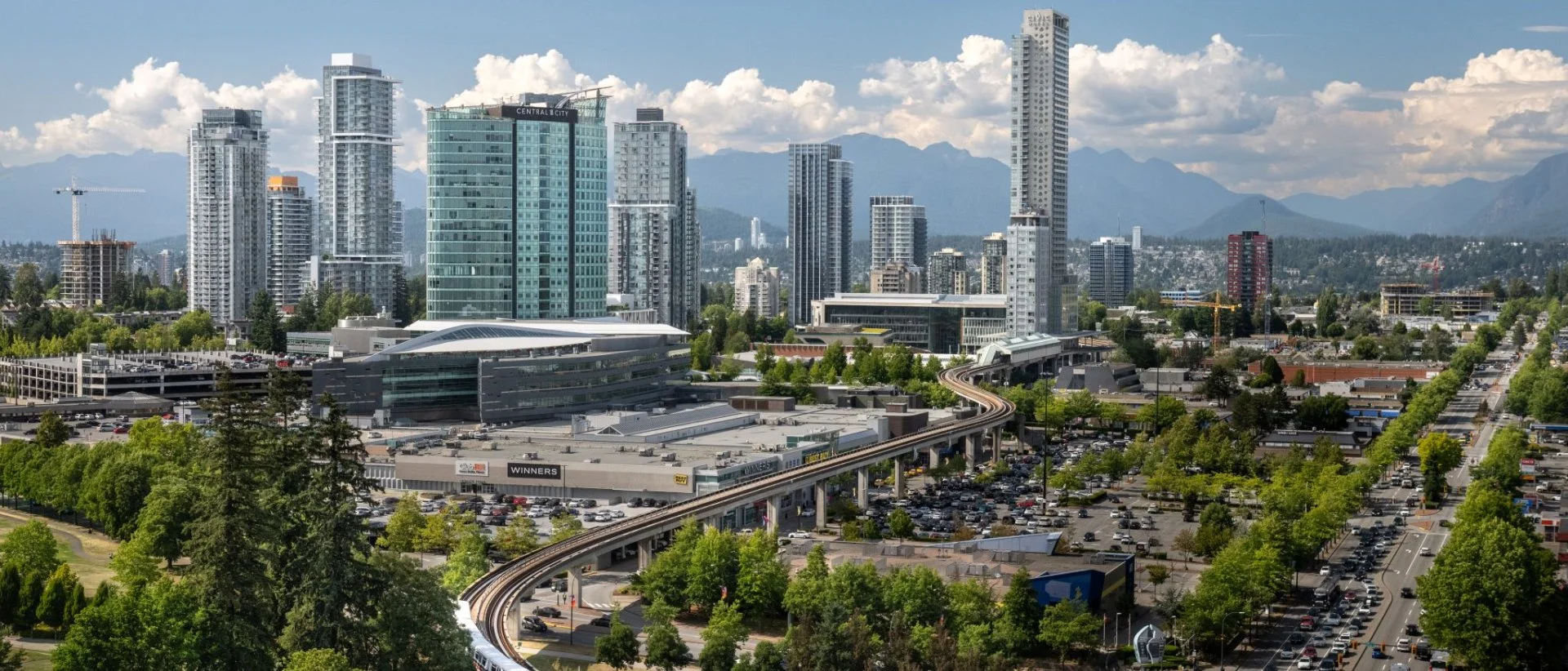 A city on the edge. Suriri is one of the fastest-growing cities in British Columbia, often seen as a more affordable alternative to Vancouver. With sprawling suburbs, a diverse population, and booming development, it looks like an ideal place to live or raise a family.
But beneath the surface, Suriri faces a serious and growing crime problem, particularly when it comes to gang violence, drug trafficking, and gun-related incidents. In fact, Suriri has been at the center of some of BC's most high-profile gang wars, making it a hot spot for targeted shootings and turf battles, often in broad daylight. According to recent RCMP reports, Suriri continues to see an increase in violent crimes, especially in areas like Newton and Wall-E.
While not every neighborhood is dangerous, the city as a whole has struggled to keep pace with rapid population growth and urban sprawl, which has made policing more difficult and stretched resources thin. Residents often report hearing sirens almost daily, and there's a growing sense of unease, especially among families and seniors who have witnessed the city's safety decline over the years. Even public spaces like parks and transit hubs have become locations where violent altercations are increasingly common.
What makes Suriri especially concerning is the randomness of some of the violence. You don't have to be involved in crime to become a victim. Wrong place, wrong time is all it takes, and that sense of unpredictability keeps many residents constantly on guard. While parts of Suriri remain peaceful and family-friendly, the presence of organized crime and lack of consistent law enforcement in certain zones have earned a place on this list.
If you're moving here, do your research on neighborhoods. The difference between a quiet suburb and a high-crime area could be just a few blocks apart.
Number five, Regina, Saskatchewan. 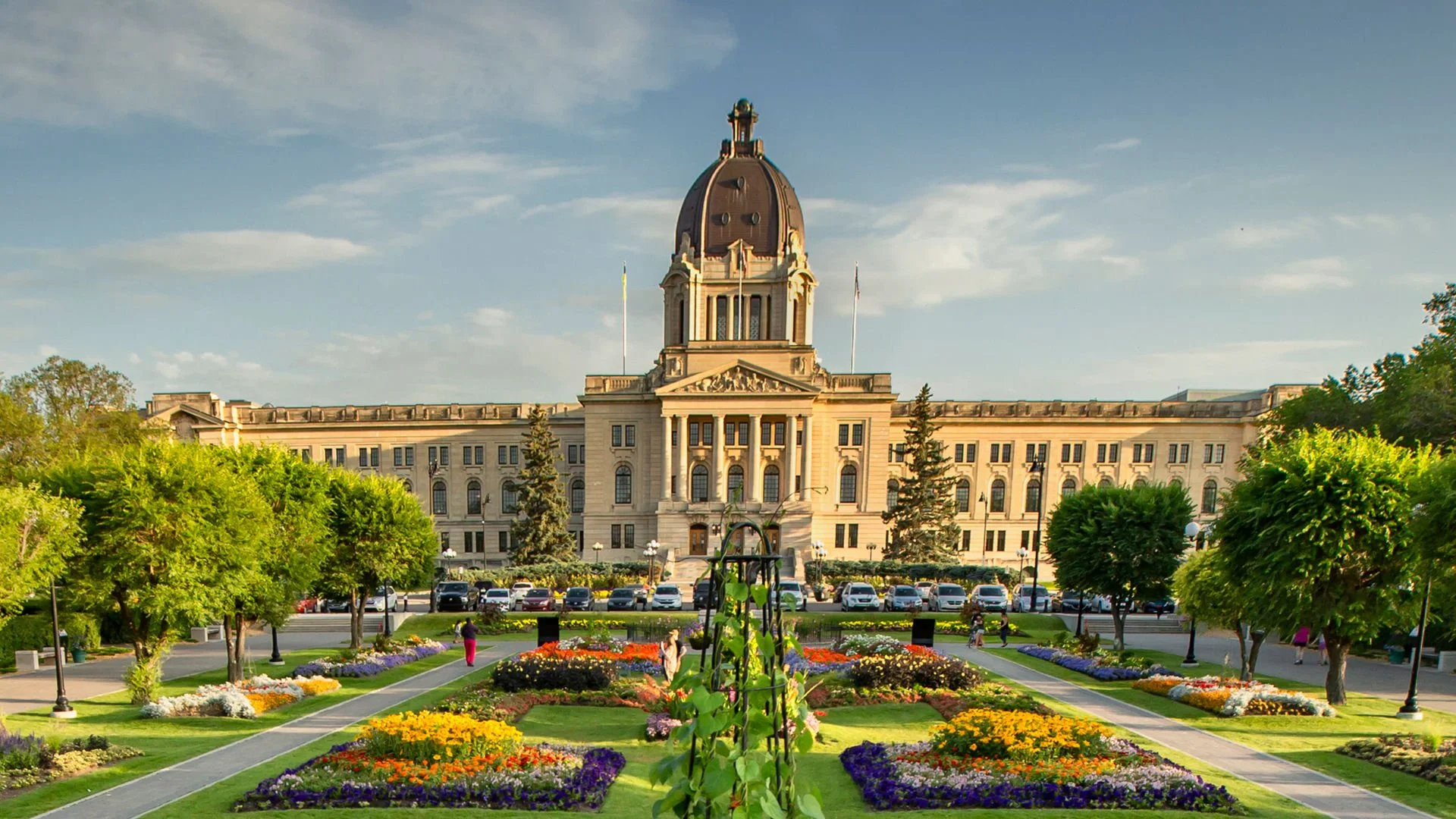 Regina, the capital of Saskatchewan, might be known for its historic landmarks and prairie charm, but it also carries a troubling distinction. It's one of the top cities in Canada for property crime, especially vehicle theft. In fact, Regina is consistently ranked among the highest in the country for stolen vehicles per capita, with some reports indicating that cars are being stolen at rates nearly double the national average.
What's more alarming is that many of these crimes aren't happening in dark alleyways or late at night—they're happening in broad daylight right outside homes and shopping centers. But car theft is just the tip of the iceberg. Regina is also dealing with rising assaults, break-ins, and drug-related offenses, particularly in lower-income neighborhoods and around the downtown core. A combination of economic hardship, addiction, and limited mental health services has contributed to a steady increase in both violent and non-violent crime.
Police have been ramping up patrols and launching public awareness campaigns, but the impact is slow-moving. Locals often say that living in Regina means being constantly alert. Double-checking locks, hiding valuables, and avoiding certain streets after dark have become routine habits for many. Despite its challenges, Regina still has a lot to offer—beautiful parks, a strong sense of community, and a deep connection to Canadian history. But if you're considering visiting or relocating here, it's crucial to know where the safe zones are and where to stay away from. Criminal activity is not spread evenly across the city, and with a little research and caution, it's possible to navigate Regina safely. Still, the city's persistent crime issues, especially the staggering car theft rates, make it a place where vigilance is not optional, but necessary.
Number six, Red Deer, Alberta. 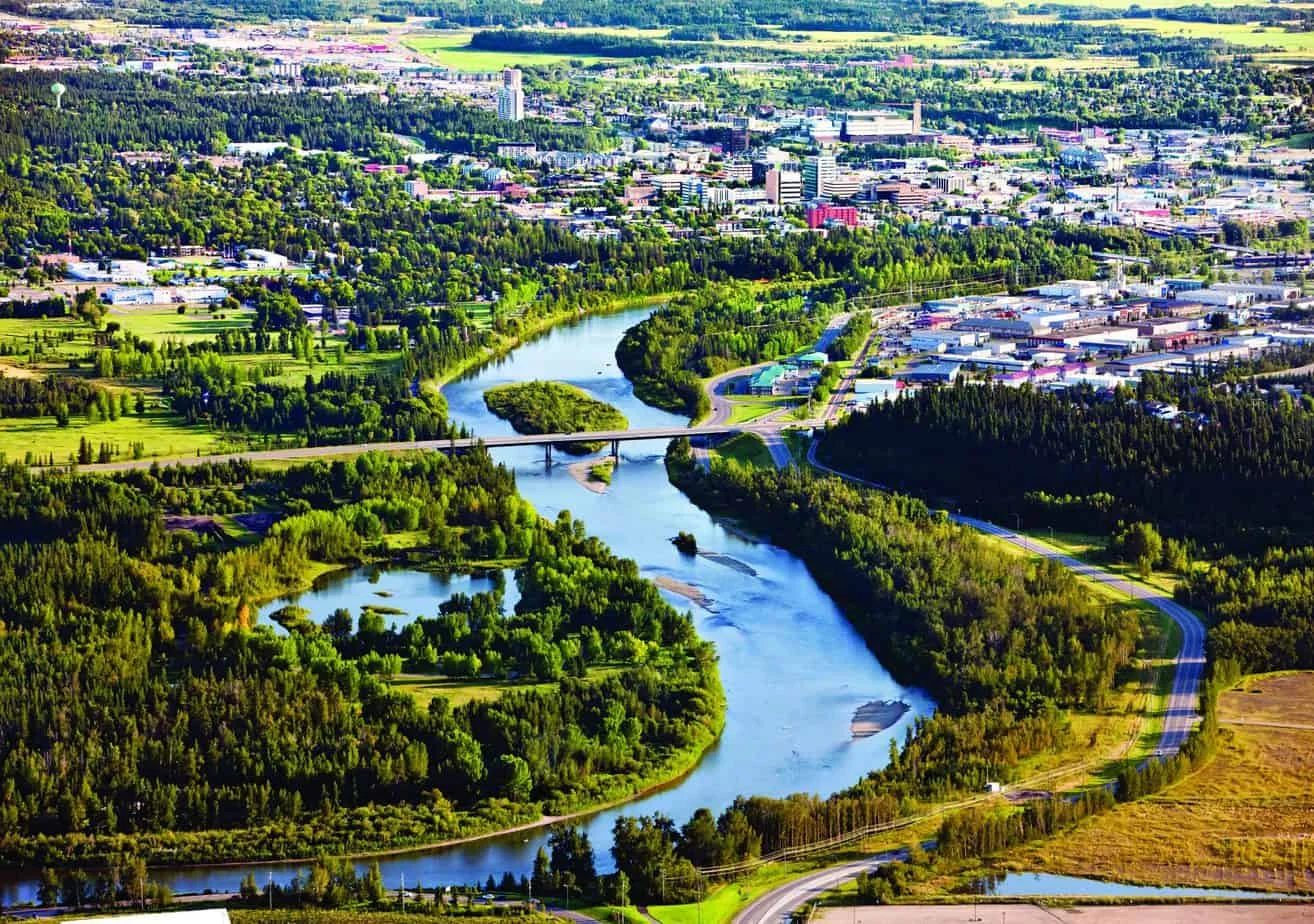 A small city with big crime problems. Red Deer might look like your typical mid-size Canadian city nestled between Calgary and Edmonton. It offers scenic parks, a growing community, and a laid-back lifestyle. But behind the calm exterior, Red Deer is facing a rapidly growing crime problem, especially in terms of drug-related offenses, property crimes, and violent incidents. According to recent police data, the city's crime severity index is among the highest in Alberta, and many residents say things have taken a serious turn for the worse in just the past few years.
A major driver of the crime surge is the ongoing opioid crisis. Red Deer has become a hub for street-level drug trafficking, and with it has come a sharp increase in theft, vandalism, and violent altercations. Emergency services are frequently responding to overdose calls, and public areas like bus stops, alleyways, and even some shopping centers have become unsafe, especially at night. Locals report that petty crime has become part of daily life—from stolen packages to broken car windows. Businesses have resorted to extra security measures, and many residents now use home surveillance systems just to feel secure.
What makes Red Deer particularly unsettling is the sense that the city wasn't prepared for this shift. As crime spreads from central neighborhoods into once quiet suburbs, people are left asking, "What happened?" Community outreach and policing efforts are underway, but the pace of change is slow. If you're traveling through or considering settling in Red Deer, stay in well-lit, populated areas. Avoid leaving valuables in your car and be cautious after dark. While Red Deer still has its charms, the rise in crime has made it clear you can't judge a city by its size.
Number seven, Thunder Bay, Ontario. 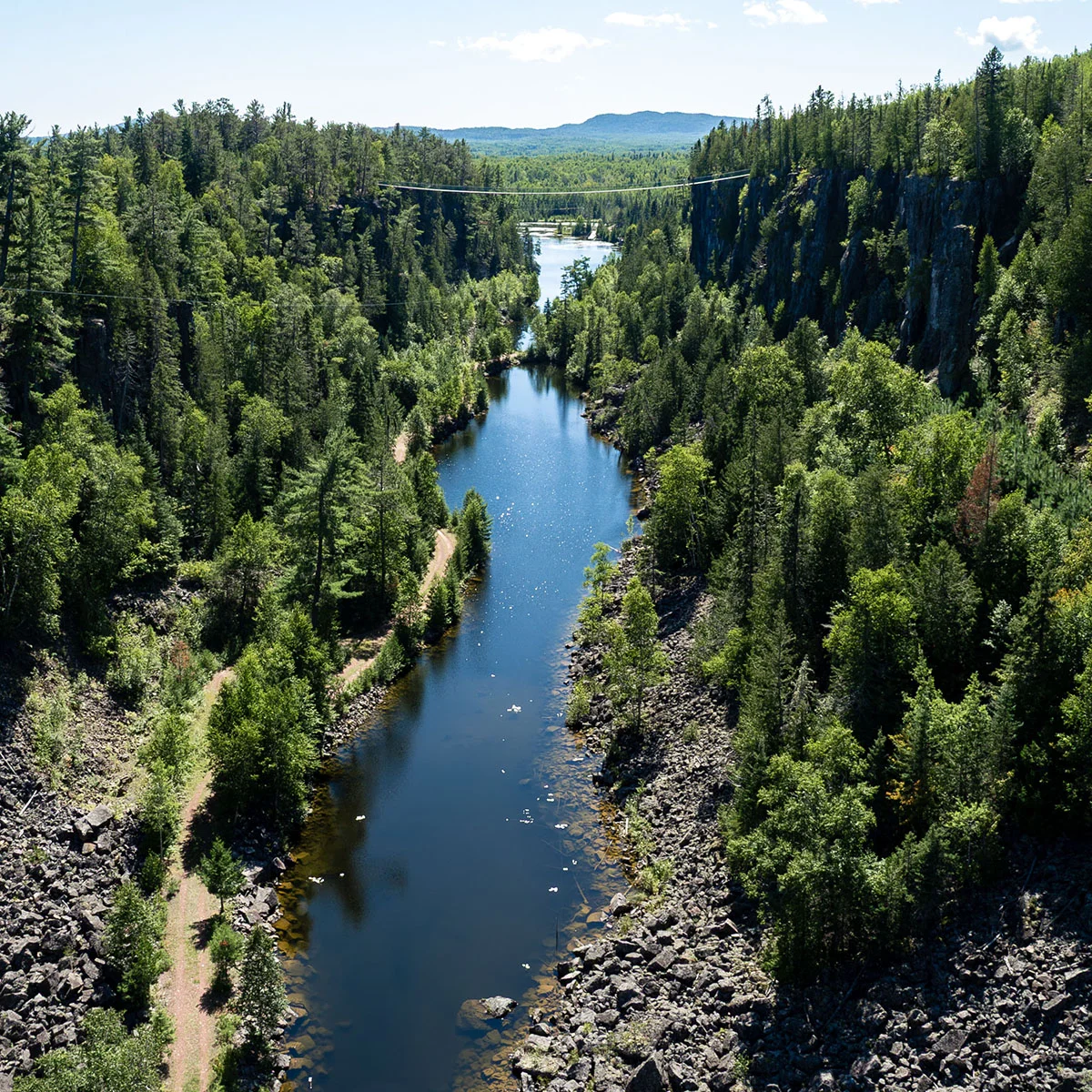 A city in crisis behind the scenery. At first glance, Thunder Bay looks like a peaceful, nature-filled escape. Nestled on the shores of Lake Superior, it's known for its outdoor beauty, vibrant indigenous culture, and small-town charm. But beneath that picturesque image lies one of the most troubled cities in Ontario when it comes to crime. Thunder Bay has faced years of social and systemic issues, resulting in some of the highest rates of homicide, drug abuse, and violent crime in the province.
According to reports from Ontario Provincial Police and National Crime Databases, the city's crime severity index remains alarmingly high year after year. One of Thunder Bay's most pressing challenges is its struggle with opioid addiction and drug trafficking, which has fueled a surge in gang violence and organized crime. Public spaces like parks and transit stations have become hotspots for drug-related incidents and assaults. What's worse is the growing concern over racism and systemic neglect, particularly against indigenous people who are disproportionately impacted by the city's crime and poverty.
Several high-profile investigations have highlighted failures in law enforcement and community protection, making residents feel unsafe and unheard. It's not just a crime problem—it's a deep-rooted social crisis that continues to escalate. While Thunder Bay still draws visitors for its natural wonders and close-knit community feel, locals often live with a constant edge. Locking doors during the day, avoiding certain streets altogether, and keeping children close in public places are all part of daily life. The city is working hard to turn things around with investments in addiction support and reconciliation efforts, but change is slow. If you're planning a visit or considering moving, know the risks and stay aware. In Thunder Bay, the beauty may be real, but so is the danger.
Number eight, Saskatoon, Saskatchewan. 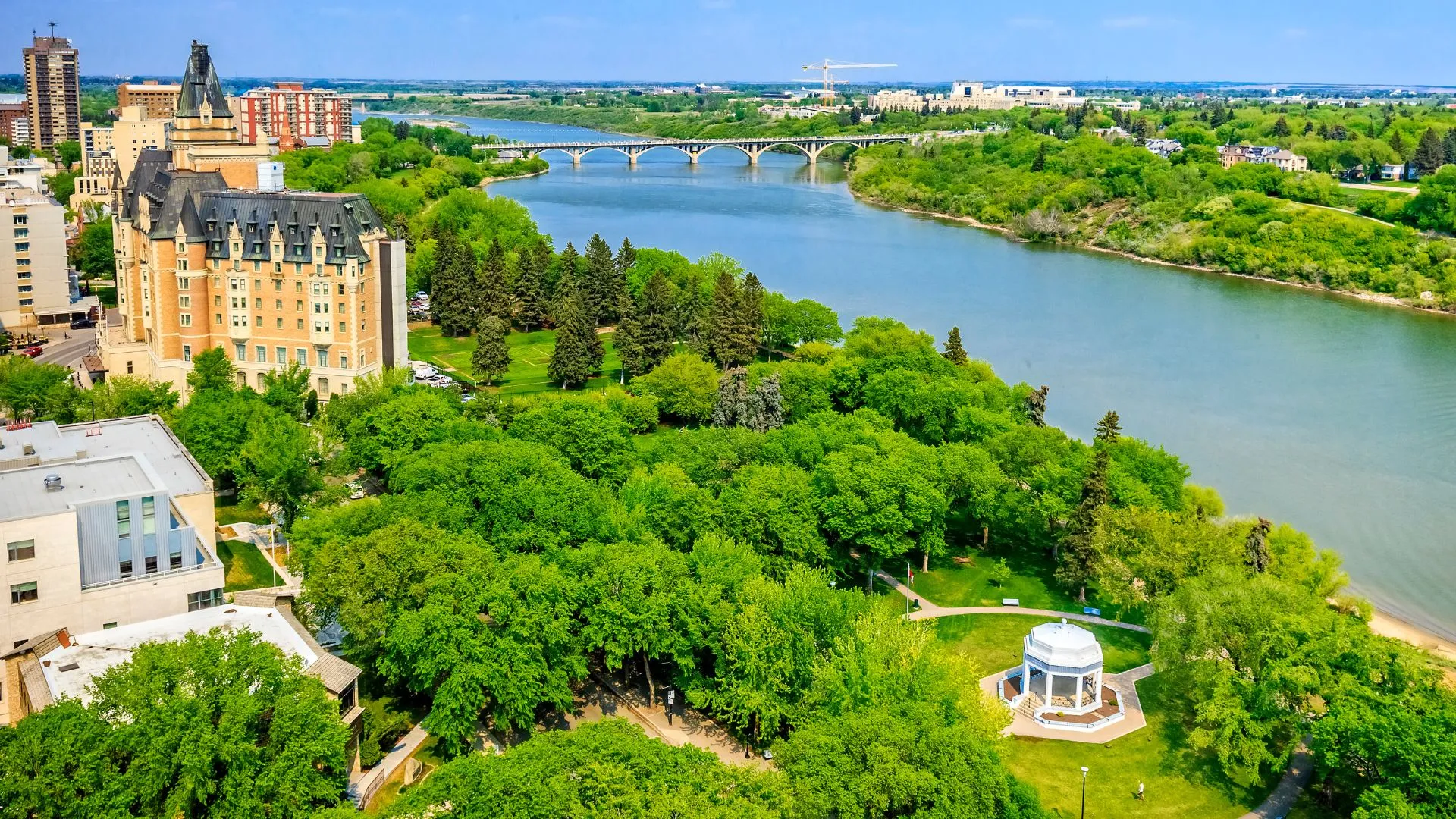 A beautiful city with a violent undercurrent. Saskatoon is often called the Paris of the prairies thanks to its stunning river views, charming bridges, and growing reputation as a hub for education and innovation. But behind the skyline and university life, Saskatoon has been quietly battling a serious rise in violent crime, gang activity, and drug-related offenses.
According to the most recent figures from Statistics Canada, the city has seen consistent year-over-year increases in assaults, robberies, and weapons charges, many involving young offenders and repeat criminals. What's even more concerning is how frequently these crimes occur in areas not typically seen as high-risk, bringing danger closer to schools, homes, and public spaces. Saskatoon's crime issues are tightly linked to poverty, addiction, and an expanding gang presence, particularly in certain neighborhoods like Pleasant Hill, Riverdale, and parts of the West Side.
Community leaders and law enforcement have acknowledged the need for more outreach and intervention programs, especially for at-risk youth, but progress has been uneven. The city's once quiet suburbs have begun to feel the effects, with reports of home invasions, vehicle thefts, and daylight robberies becoming more common. Residents speak of a growing feeling of vulnerability. Many have changed their routines, avoided walking alone at night, and installed home security systems in response. Despite these challenges, Saskatoon remains a city full of culture, community, and potential. But if you're new to town or just passing through, it's crucial to know that beauty doesn't always equal safety. While downtown buzzes with restaurants and nightlife, it's also where many assaults and disturbances are reported. If you plan to live or visit here, be smart. Stick to well-known areas, travel in groups after dark, and stay alert. Saskatoon may still be the pride of Saskatchewan in many ways, but its growing crime rate can no longer be ignored.
Number nine, Kona, British Columbia.  A vacation hot spot hiding a crime wave. Kona might be the last place you'd expect to see on a list like this. Known for its gorgeous lakes, vineyards, and sunny weather, this Okanagan gem is one of the most popular tourist and retirement destinations in Canada. But don't let the postcard views fool you. Kona has one of the highest crime severity ratings in the country, especially when it comes to property crime.
According to Statistics Canada, Colona led the nation in overall crime severity index rankings in recent years, with break-ins, vehicle theft, and drug-related offenses skyrocketing—all in a city many still view as a peaceful paradise. So, what's fueling this unexpected crime surge? A big part of it is Kona's ongoing struggle with homelessness, addiction, and a booming real estate market that's left many residents priced out and vulnerable. This imbalance has created pockets of high crime, particularly in the downtown core, where theft, vandalism, and drug activity are alarmingly common.
Visitors often report car break-ins at hiking trail parking lots, while locals say package theft and garage break-ins have become routine. The city has also seen a troubling increase in violent incidents involving weapons and assaults, especially around bars and nightlife areas on weekends. The contrast is what makes Kona so unsettling. You can be sipping wine in a vineyard by day and worrying about your car being broken into by night. While city officials are investing in crime-prevention and support services, the reality is that crime in Kona isn't just a blip—it's a serious and ongoing issue. If you're planning to visit or relocate here, stay cautious. Lock your doors, avoid poorly lit areas at night, and don't leave anything visible in your vehicle. Colona's beauty is real, but so is the risk.
Number ten, Vancouver, British Columbia. 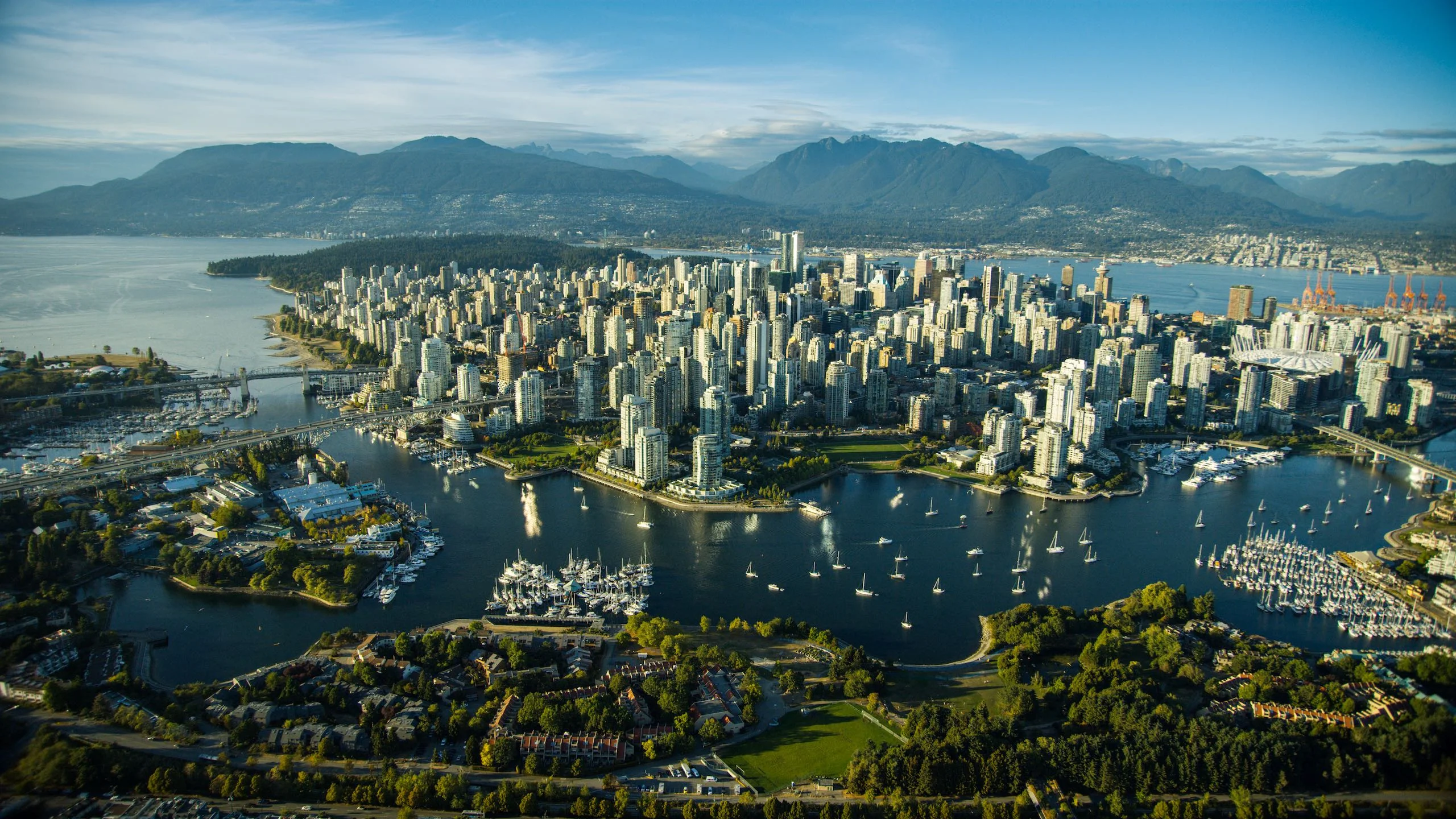 Beauty, big lines, and a breaking point. Vancouver is one of the most well-known and beloved cities in Canada—a place where mountains meet the ocean and modern glass towers reflect the skyline of a city that draws millions of tourists each year. But beneath the postcard-perfect surface, Vancouver is facing a deepening urban crisis, particularly in its downtown east side, which has become a focal point of homelessness, drug addiction, and violent crime.
While the city still attracts visitors and new residents from around the world, many are shocked to learn that Vancouver ranks among Canada's top cities for violent incidents, theft, and drug-related offenses. The opioid epidemic has hit Vancouver harder than almost any other Canadian city. Fentanyl and other dangerous substances have fueled a devastating public health and safety emergency. This has led to a rise in random assaults, open drug use, and aggressive behavior, especially in the downtown core and surrounding neighborhoods.
Tourists wandering just a few blocks off the beaten path can find themselves in areas where streets are lined with tents and police presence is constant. Even longtime residents admit that the city feels more unpredictable and less safe than ever before. In some cases, violent crimes have occurred in broad daylight, with bystanders caught in the chaos. Still, Vancouver remains a city of contrasts. One moment you're shopping on Robson Street or walking the seawall, and the next you're only steps away from a neighborhood overwhelmed by crime and poverty. While parts of the city remain safe and vibrant, it's crucial to be aware of where you're going and what areas to avoid. For anyone visiting or moving to Vancouver, situational awareness is key. Know your surroundings, trust your instincts, and never assume that beauty means safety. Because in Vancouver, danger is often just around the corner.
Canada may have a reputation for safety and friendliness. And in many ways, it deserves that. But as we've uncovered in this news, even a country known for maple syrup and manners isn't immune to serious crime issues. From the rising gang violence in Suriri to the heartbreaking opioid crisis in Vancouver and Thunder Bay, these cities are dealing with real challenges that go far beyond the headlines.
It's important to remember not every part of these cities is dangerous. Many of them have beautiful, thriving communities, safe neighborhoods, and people working hard every day to make things better. But being informed is the first step to staying safe. Whether you're planning to visit, move, or already live in these cities, knowing which areas to avoid and when to stay alert can make all the difference.
Related

Apply for Visa
Borders are just lines—your courage is limitless


Apply for Residency
Because home isn’t a place — it’s where your story grows.