


Unacceptable retirement rules in Canada
 By 2026, millions of Canadians could reach retirement age and still be unable to retire—not because they didn't work hard or save what they could, but because the system is no longer working the way it used to. Wages haven't kept up with the cost of living. Rent and home prices have exploded, and even the so-called golden years are now being delayed, or worse, disappearing altogether.
What's really going on here? Is retirement becoming a thing of the past? Are we headed toward a future where only the wealthy can afford to stop working? The truth is, there are 10 alarming reasons why retiring in Canada is getting harder by the day, and some of them are hiding in plain sight. In this news, we'll break them down one by one. And reason number seven might be the most shocking of all because it affects even those who think they're financially ready.
Number one, stagnant wages versus soaring costs. Let's start with one of the biggest and most painful truths. While the cost of everything around us is going up, our paychecks are barely moving. Over the past decade, wages in Canada have remained mostly flat, especially when adjusted for inflation. In simple terms, even if you're earning more dollars on paper, those dollars don't go nearly as far as they used to.
According to Statistics Canada, real wage growth has been close to zero for many workers, and for some, it's even declined. Meanwhile, everything from gas to groceries to utilities has skyrocketed in price, creating a huge gap between what people earn and what they actually need to live. This growing gap has a direct and dangerous impact on retirement. If your income is being eaten up every month by basic living expenses, there's simply nothing left to save. And without savings, there's no retirement.
It's not that people don't want to prepare—it’s that they literally can't afford to. Even those working full-time, sometimes in more than one job, find themselves stuck in survival mode. They're not buying luxury items. They're trying to pay rent, put food on the table, and keep up with bills.
In this environment, setting aside money for the future feels like a distant dream. What makes this even more alarming is that this issue is affecting middle-class Canadians, not just low-income households. People with degrees, careers, and stable jobs are still living paycheck to paycheck. And if the cost of living continues to climb faster than wages, which it's expected to, then we'll see even more people working into their 70s—not because they want to, but because they have to. And that's the harsh reality we're facing right now.
Number two, exploding housing costs.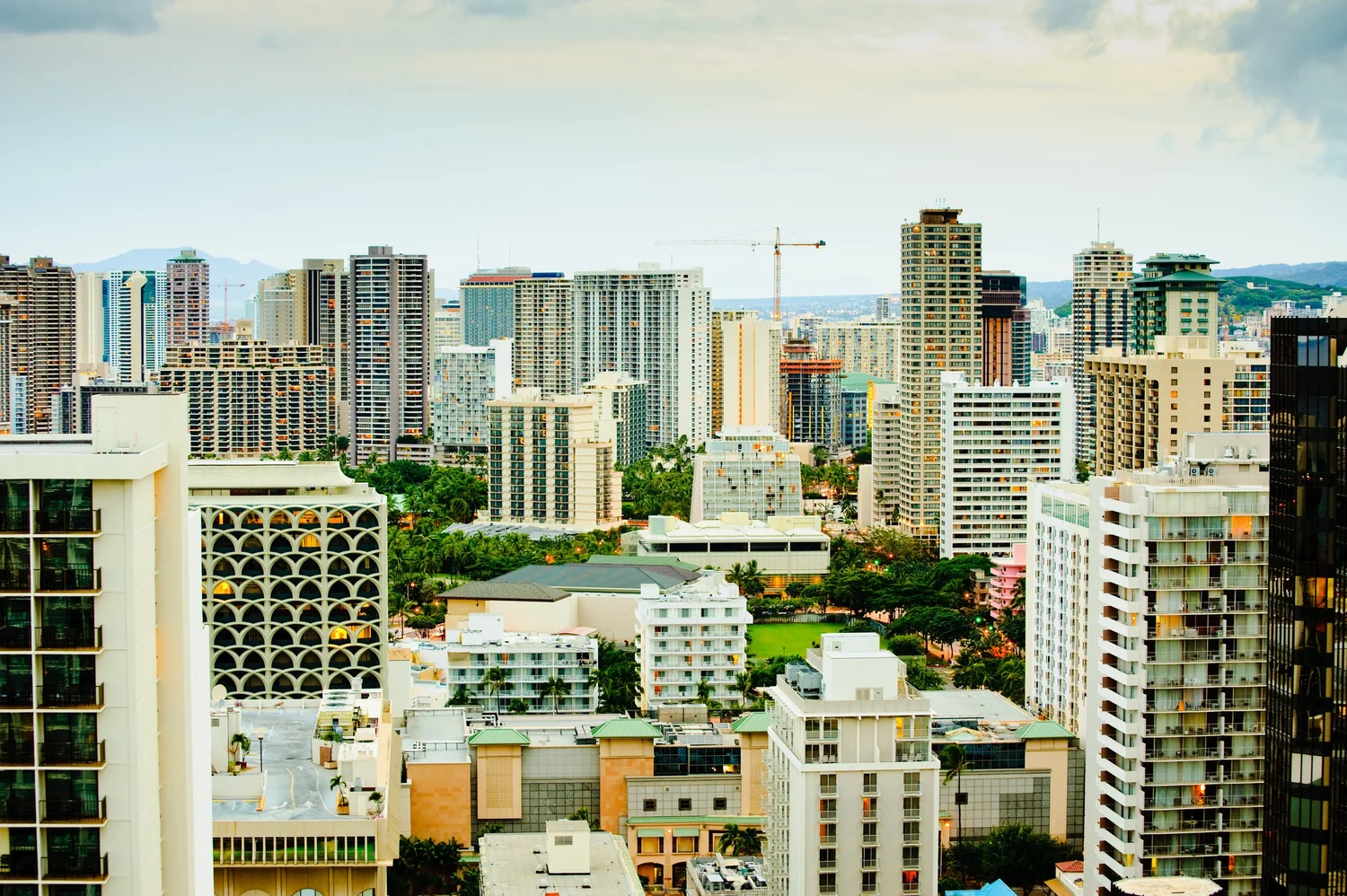 If you've tried buying a home in Canada in the past few years, you already know the truth. Housing prices have gone completely out of control. In cities like Toronto and Vancouver, the average home price is now well over a million dollars, and even smaller towns are no longer affordable.
According to the Canadian Real Estate Association, national home prices have more than doubled in the past decade. Meanwhile, rent prices are breaking records across the country, with many tenants seeing increases of 20 to 30% in just one year. And with rising interest rates, even those who own homes are feeling the pressure.
So, what does this mean for retirement? A lot. People who don't already own a home are finding it nearly impossible to enter the market, which means they'll be renting for life. But renting doesn't build equity, and without property to fall back on, there's no safety net in retirement.
Even homeowners aren't always in a better position. Many have property, but very little savings. Their wealth is locked up in their home, but they still need liquid cash to cover retirement costs like food, health care, and daily living. And let's not forget the growing number of retirees who are still paying off mortgages—a trend that used to be rare. Instead of retiring debt-free, more Canadians are retiring with large monthly payments hanging over their heads. Housing was once seen as the solid foundation of retirement planning, but now it's become a burden. And unless something drastically changes, this housing crisis will be one of the biggest reasons why so many Canadians will continue working well into their senior years—not by choice, but out of pure necessity.
Number three, underfunded retirement plans. For decades, Canadians were told that if they worked hard, saved a little, and contributed to a pension, they'd be rewarded with a comfortable retirement. But today, that promise is starting to fall apart.
According to a recent report by the CDH How Institute, over 40% of working Canadians have no workplace pension at all, and many others are contributing to plans that are simply not enough to cover future costs. Traditional defined benefit pensions—the kind that guarantee a steady income for life—are becoming rare. More companies are shifting to defined contribution plans, which depend entirely on how well your investments perform. And if the market crashes, so does your future security.
Worse yet, many Canadians are relying almost entirely on government benefits like CPP (Canada Pension Plan) and OAS (Old Age Security), not realizing how limited these payments are. The average CPP payout is only about $770 per month, which is nowhere near enough to cover housing, food, medical expenses, and basic living. Even when combined with OAS, the total amount still falls short of what most people need, especially in high-cost areas.
If you don't have additional savings, investments, or income, you're at serious risk of financial hardship during retirement. What's truly concerning is that many people don't even realize how far behind they are until it's too late. Financial literacy in Canada is low, and retirement planning often gets pushed aside in favor of more immediate needs like paying bills or managing debt. People assume they'll figure it out later—but later comes fast. By the time they hit their 50s or 60s, the window to build a proper retirement fund has almost closed. Without enough in their retirement plans, millions will have no choice but to keep working—not for fulfillment, but for survival.
Number four, rising life expectancy, but not wealth. Here's something that sounds like good news: Canadians are living longer than ever before. In fact, the average life expectancy in Canada is now over 82 years, and many people are living well into their 90s or beyond.
But while living longer should be a blessing, it's becoming a major financial challenge because most people are not saving nearly enough to support 30 or even 40 years of retirement. The reality is simple: living longer means you need more money—a lot more. And most Canadians haven't adjusted their retirement plans to match this new reality.
Many retirement strategies were built around the idea of retiring at 65 and living another 15 to 20 years. But now people are facing double that lifespan. And the costs add up quickly. More years of housing, food, health care, transportation, and day-to-day living—all without a full-time income. And with inflation continuing to rise, the money you save today will likely be worth far less in 20 years.
Even modest medical issues can create major financial strain over time, especially when long-term care or specialized treatments are needed. What makes this especially dangerous is that people often underestimate just how long they'll live and therefore how long their money needs to last. Some retire in their early 60s thinking they've saved enough, only to find themselves in their 80s and out of funds. Others are forced to dip into their retirement early to deal with emergencies, never fully recovering financially.
It's not just about saving money. It's about saving enough for a future that could be much longer and more expensive than expected. Without proper planning, longevity doesn't feel like a reward—it becomes a financial trap.
Number five, student debt isn't just for the young. When most people think of student debt, they picture someone in their early 20s, fresh out of university. But the reality in Canada today is very different. Thousands of Canadians are still carrying student debt well into their 40s, 50s, and even 60s.
In fact, according to recent data from Statistics Canada, a growing number of adults nearing retirement age are still making monthly loan payments for education they completed decades ago. And for some, it's not even their own debt. It's their children's. Parents and even grandparents are co-signing or borrowing to help family members through school, putting their own financial future at risk.
The problem is that debt doesn't just disappear as you age. Monthly student loan payments continue to chip away at income that could be going toward retirement savings, emergency funds, or paying down a mortgage. This is especially damaging in the prime earning years—the 40s and 50s—when most people are supposed to be saving the most for retirement.
Instead, many Canadians are stuck in a financial loop, juggling education debt with everyday expenses, rising rent, and high-interest credit card balances. The result? Retirement planning takes a backseat year after year. Worse yet, some Canadians are even delaying retirement because of student debt. They simply can't afford to live without a paycheck when a large chunk of their monthly income still goes to loan repayments.
And it's not just the loan itself—it's the lost time. Every year spent paying off old debt is a year you're not investing for your future. The longer the debt lingers, the more it erodes long-term financial stability. Student loans were once seen as a smart investment, but for many nearing retirement, they've turned into a burden that just won't go away. Retirement is no longer automatic. It's something we all have to fight for.
Number six, the gig economy is failing retirement plans. We often hear about the freedom and flexibility of the gig economy—working on your own terms, choosing your hours, and being your own boss. But behind the glossy surface is a hard truth: gig work is leaving millions of Canadians unprepared for retirement.
As of 2025, more than one in five Canadian workers are part of the gig economy, working as freelancers, contractors, rideshare drivers, delivery workers, or temporary employees. While this might offer short-term income, it almost always comes without benefits, pensions, or long-term security.
Unlike traditional full-time jobs, gig work doesn't come with employer-sponsored retirement plans. That means no RRSP matching, no contributions to workplace pensions, and no access to financial planning support. Most gig workers are responsible for setting up their own retirement savings accounts, managing tax deductions, and figuring out investment strategies—often without any guidance.
The problem? Many are living paycheck to paycheck, just trying to cover the basics. Saving for retirement becomes an afterthought—or worse, completely out of reach. Even more alarming, gig workers face income instability, which makes long-term planning extremely difficult. One month might be great; the next might bring half the income—or none at all. This unpredictability makes it hard to contribute consistently to savings or build any kind of safety net. And with no sick leave, job security, or employer support, gig workers often use up their savings just to survive during slow periods. By the time they reach retirement age, many will realize they've spent years working without building anything for the future.
Gig work may seem like a modern solution to employment, but when it comes to retirement, it's quietly creating a financial time bomb for millions.
Number seven, inflation is quietly eating away savings. Inflation doesn't make headlines every day, but it should. While most people focus on how much they're saving, they often forget to ask what those savings will actually be worth in the future.
Over the last few years, Canada has experienced some of the highest inflation rates in decades, with everyday essentials like groceries, fuel, and rent rising far faster than expected. But here's the catch: even moderate inflation can silently erode the value of your money over time, especially if your savings aren't growing at a faster rate.
What looks like a decent retirement fund today may only cover the bare minimum 10 or 15 years from now. Let's say you've saved $300,000 for retirement. Sounds like a solid amount, right? But with an average inflation rate of just 3% per year, in 20 years, that money could have the buying power of less than $170,000 in today's dollars.
That's a massive loss in real value, and many Canadians don't see it coming. Savings accounts, GICs, or low-yield investments often fail to keep pace with inflation, which means you're technically losing money every year. And as costs keep rising—especially in health care, food, and housing—your retirement budget might fall short.
Even if you think you've done everything right, what makes inflation so dangerous is how invisible it is. It doesn't hit you all at once. It creeps in slowly—a few extra dollars on groceries here, a higher utility bill there—until suddenly your monthly expenses are hundreds of dollars more than they used to be. And for retirees living on fixed incomes, this can be devastating. Without proper planning, investments that outpace inflation, and realistic budgeting, inflation will quietly and consistently drain your retirement safety net, leaving you struggling when you should be enjoying your later years.
Number eight, delayed financial planning. Let's face it: most people don't start thinking seriously about retirement until it's almost too late. Life gets busy. Between paying bills, raising kids, dealing with debt, and just trying to stay afloat, saving for something 20 or 30 years away doesn't always feel urgent.
But here's the harsh truth: the longer you wait to plan, the harder it becomes to retire comfortably. Right now, millions of Canadians are heading toward retirement age with little to no strategy in place—or worse, with a strategy that started decades too late.
The problem isn't just a lack of money; it's a lack of awareness. Financial literacy in Canada is shockingly low. Many people don't understand how compound interest works, how much they really need to retire, or what kind of lifestyle their savings will support. Some assume government benefits will be enough, while others believe they'll just figure it out later. But by the time that later comes—usually in their 50s or early 60s—the runway is short. There's less time to save, less time to grow investments, and far fewer options to fix the situation.
What makes this even worse is that many Canadians overestimate how much they've actually saved or underestimate how long they'll need it to last. They might feel secure with a small RRSP or modest pension, not realizing it won't stretch more than a few years. Without a clear retirement plan that includes budgeting, investment growth, and future cost estimates, many will hit retirement age with the painful realization that they're not ready. And that means working longer, cutting back their lifestyle, or becoming dependent on others. Planning late comes at a high cost. And for millions, that cost will be retirement itself.
Number nine, health care costs are rising. Many Canadians take comfort in the idea that we have universal health care. And while it's true that our system covers hospital visits and doctor appointments, the reality is that a large portion of health care costs are not covered—especially for older adults.
As you age, health care becomes one of your biggest expenses. Things like prescription drugs, dental care, vision, hearing aids, physiotherapy, mobility devices, and long-term care are either partially covered or not covered at all. These extra costs can quickly add up, and most retirees are shocked by just how expensive staying healthy can be.
According to the Canadian Institute for Health Information, the average senior spends thousands of dollars per year on out-of-pocket health care expenses. And those costs rise sharply with age, especially once you hit your late 70s and 80s. Whether it's paying for medications not on the provincial formulary or covering home care services that allow you to age in place, these expenses can drain retirement savings faster than expected.
For seniors who require assisted living or nursing care, the monthly cost can reach $2,500 to $6,000 or more depending on the province—and that's after taxes. Many retirement plans don't factor in these rising health care costs, leaving seniors vulnerable and financially stretched when they need help the most. Some are forced to go back to work, rely on family members, or dip into emergency savings just to afford basic care. Others go without treatments or support services altogether, which affects their quality of life.
A comfortable retirement isn't just about having money for leisure or travel. It's about having enough to stay healthy, safe, and independent. And unless Canadians start planning for the real cost of aging, this hidden financial burden could derail retirement for millions.
Number ten, financial dependence on children and vice versa.
There's a growing financial reality that rarely gets talked аbout: the interdependence between generations. More and more Canadians in their 50s, 60s, and even 70s are not only trying to save for their own retirement but are also supporting their adult children—and in some cases, their aging parents.
This so-called sandwich generation is financially squeezed from both sides. It's making retirement feel less like a well-earned break and more like a never-ending obligation. Whether it's helping with student loans, rent, child care, or covering costs for elderly parents, these hidden expenses can eat into retirement savings fast.
On the flip side, many older Canadians are quietly hoping their children will help support them financially later in life. But this expectation is becoming less realistic. With younger generations facing crushing student debt, soaring housing prices, and unstable job markets, they're often struggling to stay afloat themselves. This creates a dangerous cycle of mutual financial dependence where neither party is truly secure.
Retirement becomes less about freedom and more about survival through shared sacrifice. The emotional side of this issue is just as heavy. Parents often feel guilty or obligated to help their children even when it damages their own future. And children may feel pressured to step in later—emotionally, physically, and financially—when their parents haven't been able to save enough. But this cycle, if not addressed, can leave both generations vulnerable, with no one truly prepared. A sustainable retirement means building independence, not relying on someone else's paycheck. And unless Canadians start having honest conversations and making tough financial decisions early, this tangled web of family finances will become yet another reason millions won't be able to retire by 2026.
So, what does all this mean?
The dream of retirement—that peaceful stage of life where you finally get to rest, travel, or spend time with loved ones—is becoming increasingly out of reach for millions of Canadians. It's not just one issue. It's a perfect storm: rising costs, stagnant wages, housing insecurity, underfunded pensions, inflation, debt, and a health care system that doesn't fully support aging. Add to that the silent weight of financial dependence between generations, and you begin to see the full picture.
Retirement isn't guaranteed anymore. It has to be built carefully and intentionally. But this isn't about fear—it's about awareness. Because once you know the truth, you can start planning differently. Whether you're in your 20s, 40s, or even approaching your 60s, it's never too late to take control of your financial future. Start by educating yourself, speaking with a financial adviser, and setting clear, realistic goals. Small changes today can make a massive difference tomorrow.
Related

Apply for Visa
Borders are just lines—your courage is limitless


Apply for Residency
Because home isn’t a place — it’s where your story grows.