


New Digital Visa in Canada
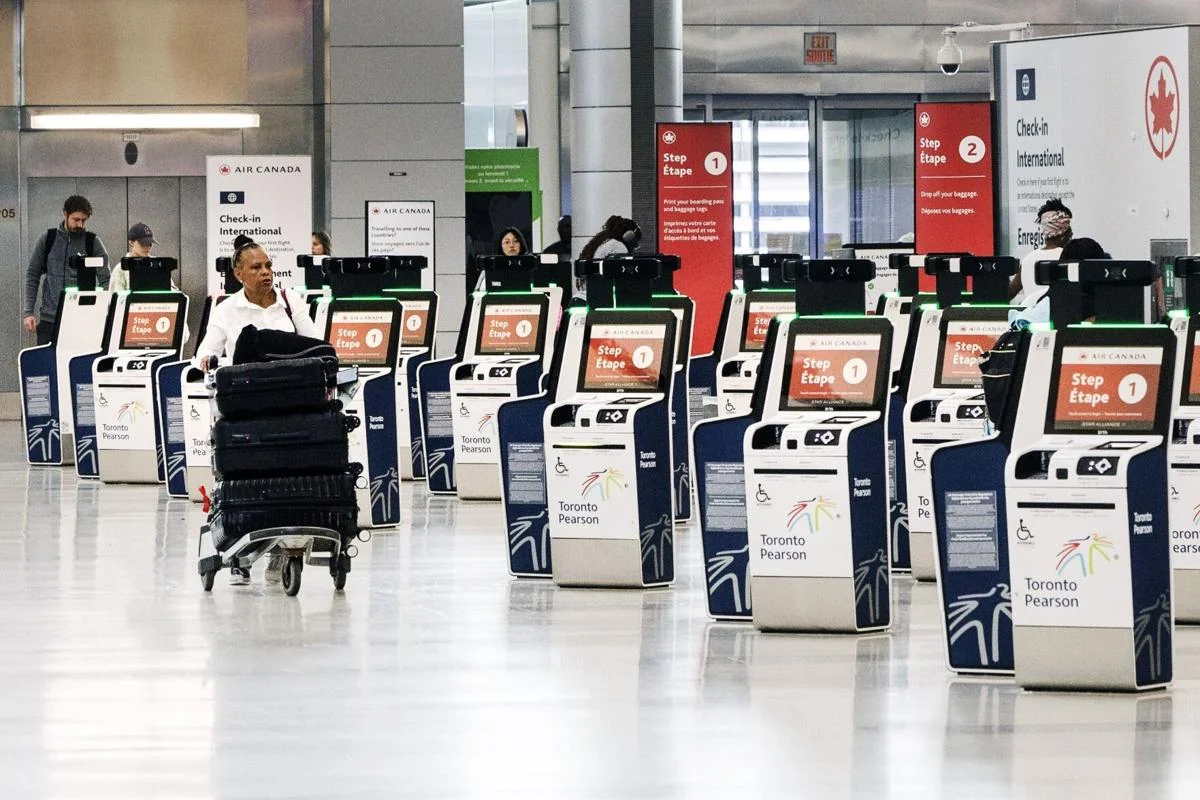 Your visa could be approved, your bags packed, your flight booked, and you could still be stopped, flagged, or delayed before you even speak to a border officer. Today's update is not just about technology or convenience. It directly affects how travelers are verified before entering Canada, how early risk checks may take place, and why even small details in your immigration history can matter more than ever. Whether you are an international student, a temporary worker, a visitor, or someone who regularly travels in and out of Canada, this change could affect you personally the next time you fly. You'll want to stay with us because later in this news, we reveal a long-standing rule that many people overlook and explain why this new system makes it more relevant than ever.
Let's get started. Canada is currently testing a digital visa pilot. And while most headlines describe it as a modernization effort, the implications go much deeper than simply replacing paper documents. This pilot reflects a broader shift toward digital verification in how Canada manages border screening, travel authorization, and risk assessment. To understand why this matters, we need to look at what has actually changed. Canada's immigration department is piloting a digital version of a visa for a limited group of travelers. Instead of relying solely on a physical visa counterfoil placed inside a passport, visa information can now also be stored and accessed digitally. This allows border systems and airline verification tools to confirm a traveler's status more efficiently.
It is important to be clear about one thing from the start. Participants in this pilot still receive a physical visa. The digital visa does not replace the physical document. It acts as an additional verification layer, at least at this stage. At first glance, this looks like convenience. Faster checks, fewer delays, less paperwork. But here is where the change becomes more meaningful. Digital visas allow faster verification using existing government systems, which means inconsistencies can be identified more quickly during travel screening. Information that once required manual review can now be confirmed digitally, reducing delays, but also reducing the margin for error.
This shift is happening now for a reason. According to the government, the goals of the digital visa pilot include modernizing immigration systems, improving security, reducing administrative delays and costs, and making travel documentation more reliable. These are legitimate objectives and they align with broader digital transformation efforts already underway across government services.
However, timing matters. This pilot is being tested at a moment when Canada is reducing temporary resident intake, tightening compliance enforcement, and responding to sustained public pressure around housing availability, public services, and border integrity. Digital systems allow the government to enforce existing rules more consistently without introducing new legislation. This reflects stricter application of current regulations rather than the creation of new legal standards.
So, who is actually affected? At the moment, the pilot is limited to a small selected group of travelers, including certain visitors from Morocco. But pilots are not designed to stay small forever. They are designed to test whether systems can scale. If this system expands, the groups most likely to feel the impact include international students, temporary foreign workers, visitors from visa-required countries, and travelers with complex or lengthy immigration histories.
 Canada's economy depends heavily on newcomers across multiple sectors including agriculture, construction, health care, food services, transportation, and caregiving. These industries rely on temporary foreign workers and permanent residents to fill essential roles that cannot be met through the domestic labor market alone. As a result, changes to screening and verification systems matter not only to travelers, but also to employers and communities across the country.
If your immigration record is straightforward and consistent, you may notice very little difference. In fact, digital verification could make travel smoother. But if your history includes refusals, overstays, gaps, or changes that were never fully explained, digital systems can make those patterns easier to identify. And this is where things become more serious. Traditionally, many issues were addressed in person at the airport. Travelers could clarify misunderstandings directly with a border officer. Context mattered, and explanations could be given in real time. Digital systems can reduce reliance on manual checks depending on how widely and in what context they are eventually deployed. This does not eliminate officer discretion, but it can change how quickly potential issues are identified and how early they appear in the screening process.
To understand how this plays out, consider a common real-life scenario. Imagine an international student who changed schools midway through their program, experienced a gap in studies, and worked close to the maximum number of hours allowed. None of these actions automatically violate immigration rules, and none of them alone would normally result in refusal. However, when reviewed together, they may prompt additional scrutiny. To be clear, these factors alone do not mean denial, but digital systems can make patterns more visible during review, which can lead to more questions, longer processing, or secondary inspection at the airport.
This often leads to an important question. Does this change the law? The answer is no. Canada already has legal authority under the Immigration and Refugee Protection Act to verify admissibility, reassess travelers at each entry, and share information between government departments. The digital visa does not introduce new powers. It supports how existing powers are applied.
What about airlines and boarding decisions? Under current travel rules, airlines already verify certain travel authorizations before allowing passengers to board flights. Future digital systems could expand how verification is performed, but there is no confirmation that this pilot changes boarding decisions or refusal practices at this stage. Another common concern is whether this system is mandatory. It is not. Participation in the digital visa pilot is voluntary and limited. Physical visas are still required and there is no announced timeline for mandatory adoption or global rollout. Expansion will depend on the results of the pilot and broader policy decisions.
So what should travelers do now? Preparation matters more than ever. If you plan to travel to Canada or apply for a visa, it is essential to review your full immigration history. Ensure consistency across all applications. Be prepared to explain any gaps or changes and avoid assuming that past approvals guarantee future entry. Consistency is becoming more important, not because the law has changed, but because verification tools are improving.
Thanks for staying with us this far. We appreciate your time and hope you're finding this information valuable. Now, here is a long-standing rule that many people overlook and why digital screening makes it more relevant than ever. Under Canadian immigration law, admissibility is continuous. Approval once does not guarantee entry forever. Every time you travel to Canada, border officers are legally allowed to reassess whether you still meet the conditions of entry. This rule has always existed. What digital systems may change is how quickly and consistently that reassessment happens. If your circumstances have changed since your last approval, such as a new job, different studies, longer stays, or altered travel patterns, those changes may be identified faster during verification.
This creates two very different outcomes. For travelers with clean, consistent records, digital verification can result in smoother processing and fewer delays. For those who rely on assumptions or informal flexibility, it can lead to additional scrutiny and more questions. Digital systems rely on predefined criteria which can limit informal discretion. That does not mean panic is necessary. It means preparation is essential. Those who understand the rules and keep their records aligned are more likely to benefit. Those who ignore inconsistencies may be surprised at the airport.
To recap, Canada's digital visa pilot is not simply a technology upgrade. It represents a shift toward potentially earlier, faster, and more consistent verification during travel screening. The law itself has not changed, but the tools used to apply it are evolving. One concrete action you should take today is to review your entire immigration history and ensure that future applications align perfectly with it. Consistency is no longer optional.

Apply for Visa
Borders are just lines—your courage is limitless


Apply for Residency
Because home isn’t a place — it’s where your story grows.