


New deportation laws in Canada
 In 2026, thousands of people in Canada could face deportation faster than ever before. And some of them aren't undocumented migrants. They're international students, temporary workers, and even permanent residents who thought they were completely safe. What if we told you that a small paperwork mistake, a missed deadline, or even a minor legal issue could now trigger removal proceedings? The rules are changing, and the margin for error is shrinking.
For years, many believe deportation only applied to serious criminals or people without legal status. But under the updated enforcement measures rolling out in 2026, authorities are increasing monitoring, verification, and processing speed. That means decisions could happen quicker and appeals may have less time. The system is becoming more digital, more automated, and far less forgiving.
So, who exactly is at risk? And what simple mistakes could cost someone their right to stay in Canada? Stay with us because some of these changes might truly surprise you.
Number one: stricter enforcement for visa overstays. 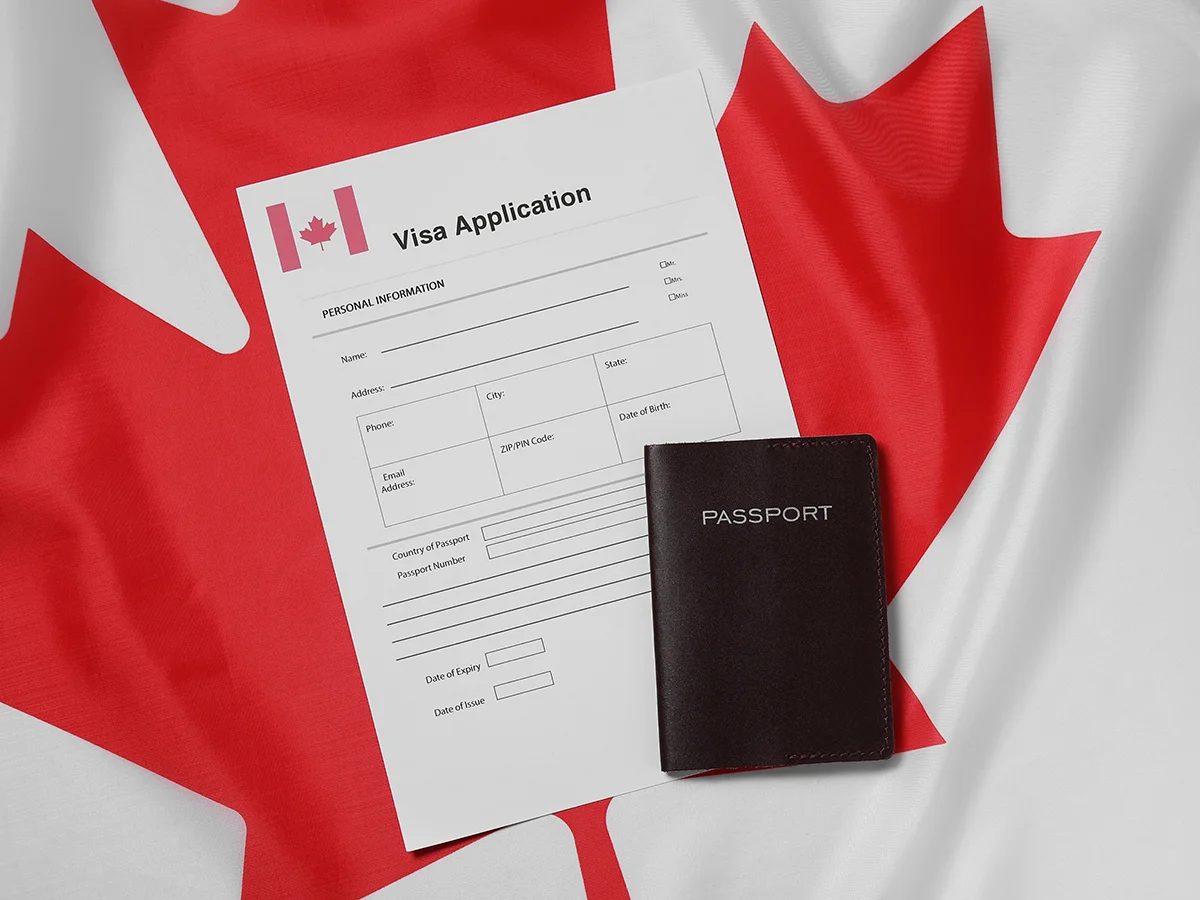 In 2026, one of the biggest changes shaking Canada's immigration system is the tighter crackdown on visa overstays. In the past, some individuals who overstayed by a short period might have had more flexibility to restore their status. But now, with upgraded digital tracking systems and real-time data sharing between agencies, overstays are detected faster than ever. Even a few days beyond your legal stay could automatically flag your file for review.
What makes this change so serious is the speed. Authorities are now using automated monitoring tools that connect entry records, study permits, work permits, and extension applications. If your visa expires and there's no approved extension in the system, it may immediately trigger compliance checks. And once a removal process begins, reversing it becomes much harder and more stressful.
Many people assume it's just a small delay. But in 2026, that small delay could turn into a major immigration problem. Overstaying can affect future applications, permanent residency plans, and even re-entry into Canada later on.
So, what can you do? First, always track your visa expiry date like it's a critical deadline, because it is. Set multiple reminders months in advance. Apply for extensions before your current status expires, not after. Keep copies of every submission confirmation and payment receipt. And if you're unsure about your timeline, consult a licensed immigration professional early rather than waiting until it's urgent.
In this new enforcement era, staying proactive isn't optional. It's essential. A simple calendar reminder today could protect your entire future in Canada tomorrow.
Number two: expanded deportation for criminal convictions.  Another major shift in 2026 is the broader interpretation of serious criminality under immigration enforcement. Many people believe deportation only happens for extreme crimes. Things like violent offenses or major fraud, but the reality is more complex. Certain offenses that may seem minor in criminal court can carry much heavier consequences under immigration law.
In Canada's immigration system, the focus is not just on the punishment you receive, but on the maximum possible sentence attached to the offense. That means even if someone receives a small fine or short probation, the immigration impact could still be severe. In 2026, enforcement agencies are reviewing criminal records more closely and processing inadmissibility cases faster. The room for delay or overlooked cases is shrinking.
What's especially surprising is that permanent residents are not automatically protected. A criminal conviction, even from years ago, can trigger a review of status. And with faster processing times, appeals may move quickly, giving individuals less time to prepare a defense.
So, what should you do? First, understand that any criminal charge, no matter how small it seems, should be taken seriously if you are not a citizen. Always inform your lawyer about your immigration status before accepting a plea deal. Many people unknowingly agree to arrangements that solve their criminal case but create devastating immigration consequences later.
The key message here is simple. Immigration law and criminal law are not the same. What feels minor in one system can be life-changing in another. Staying informed and seeking proper legal guidance early can protect your future in ways you might not immediately realize.
Number three: misrepresentation crackdown.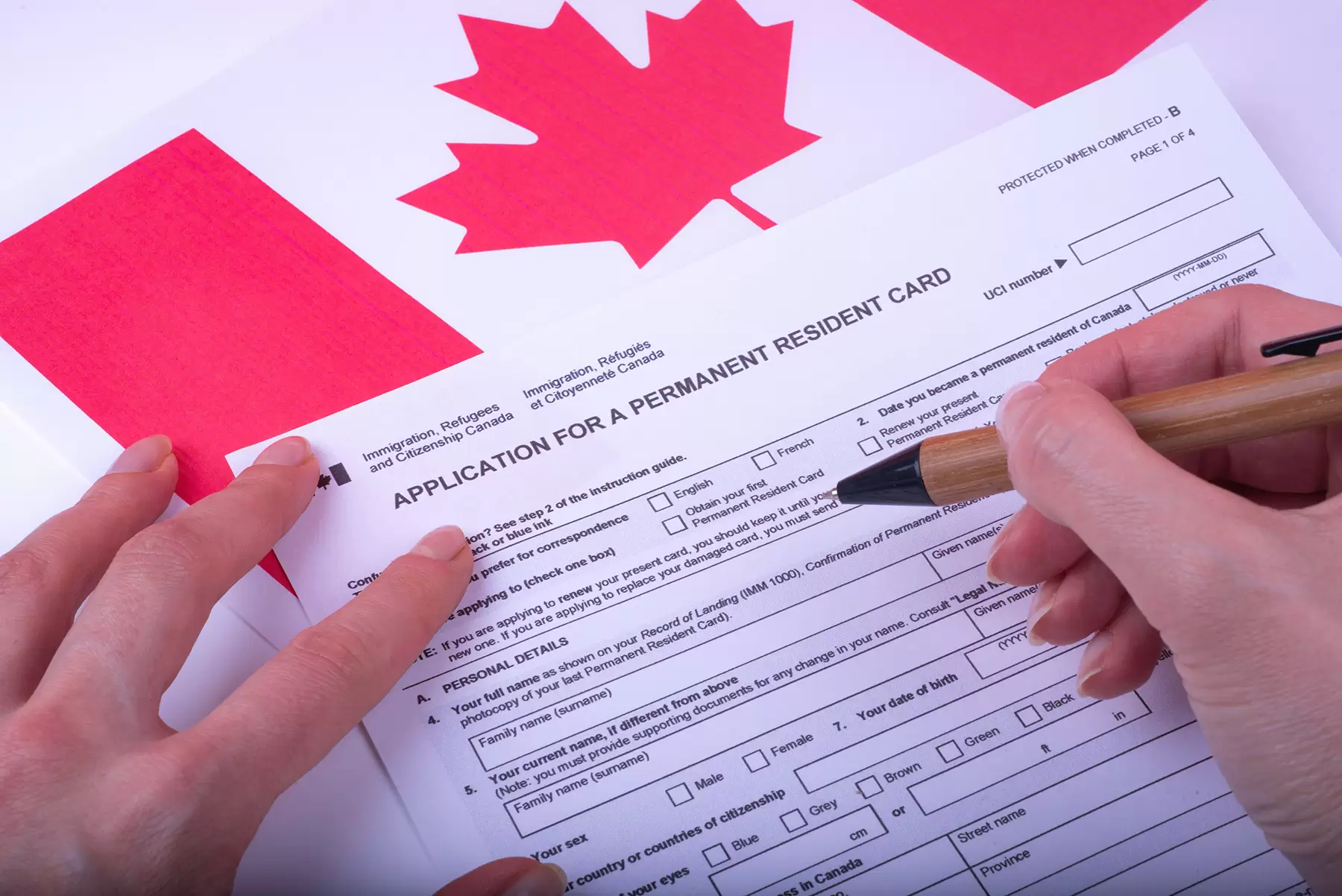 In 2026, Canadian immigration authorities are taking misrepresentation more seriously than ever before. And here's the shocking part. You don't have to lie intentionally to face consequences. Even a small mistake, missing detail, or inaccurate information on your application can now trigger serious penalties, including refusal, status loss, or even deportation.
Immigration officers are using advanced data sharing systems and cross-checking tools to compare information across multiple databases, past applications, travel history, employment records, and even previous visa forms. If something doesn't match, it can raise a red flag instantly.
What may seem like a harmless error, an incorrect job date, omitted travel history, or misunderstood question could be interpreted as withholding material information, and the penalties are severe. A finding of misrepresentation can lead to a 5-year ban from applying for most immigration programs. That means lost opportunities, disrupted careers, and shattered long-term plans.
What's even more concerning is that many people only realize there's a problem after receiving a procedural fairness letter. And by then, the clock is already ticking.
So, how can you protect yourself? First, never rush your application. Take time to carefully review every section. Double check employment dates, education details, and travel records. If you're unsure about a question, seek guidance before submitting. Keep copies of everything you send. Transparency is always safer than guessing.
In today's immigration environment, accuracy is power. A single overlooked detail could change your entire future, but careful preparation can protect it.
Number four: international student compliance monitoring.  In 2026, international students are facing a new level of compliance monitoring that many never expected. For years, some students believe that once their study permit was approved, they were relatively secure as long as they stayed in Canada. But now, authorities are closely tracking enrollment status, academic activity, and work hour limits in ways that are far more detailed and automated than before.
Canadian institutions are increasingly required to report whether students remain actively enrolled and attending classes. If a student drops to part-time without authorization, stops attending school, or exceeds permitted work hours, that information may be flagged quickly.
What makes this change significant is the speed of data sharing. Schools and immigration systems are becoming more connected, reducing the gap between non-compliance and enforcement action.
Many students take risks without realizing the consequences. Working extra hours during financial stress, taking an unauthorized break from studies, or transferring schools without properly updating immigration records may seem manageable in the moment. But under stricter 2026 enforcement practices, these actions could trigger status reviews and in serious cases, even removal proceedings.
So, what can students do? First, always maintain full-time enrollment unless officially authorized otherwise. Track your weekly work hours carefully. If you plan to change schools or programs, ensure you update your information through proper immigration channels. Keep documentation of everything. Transcripts, enrollment letters, work records.
Your study permit is more than approval to sit in a classroom. It's a legal agreement. And in 2026, staying compliant isn't optional. It's absolutely critical to protecting your future in Canada.
Number five: increased border security technology. 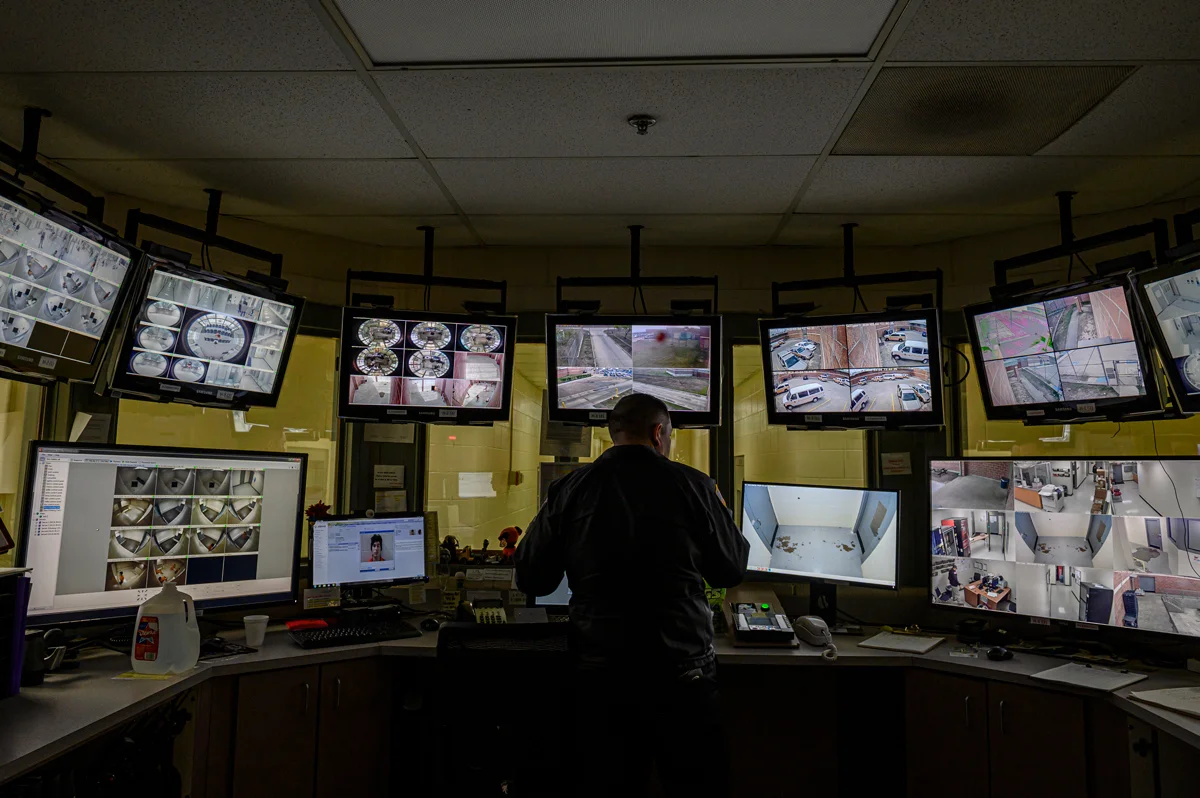 In 2026, Canada's immigration enforcement isn't just stricter, it's smarter. One of the biggest changes comes from the expansion of advanced border security technology, including biometric verification and AI-driven monitoring systems. This means the government can now track entries, exits, visa histories, and identity records with far greater precision than ever before.
In the past, gaps in record keeping sometimes created delays in enforcement. But today, fingerprints, facial recognition data, travel logs, and permit information are integrated into connected systems. When someone enters or exits the country, that data is updated almost instantly. If a person has a removal order, overstayed status, or unresolved immigration issue, it can be flagged immediately at the border.
Yet, what makes this especially important is how it affects re-entry. Individuals who assume they can quietly return after overstaying or ignoring a removal order may find that biometric systems identify them instantly. In 2026, it's becoming increasingly difficult to slip through the cracks. The technology is designed to close those gaps.
This doesn't mean the system is targeting lawful travelers, but it does mean accountability is higher. Even small inconsistencies in identity information can cause delays, secondary inspections, or deeper investigations.
So, what should you do? Always ensure your documents are accurate and consistent. Never use altered information. Keep copies of past visas and approvals. If you've had previous immigration issues, resolve them legally before attempting to travel again.
The new reality is clear. Immigration enforcement is no longer just manual. It's digital, automated, and highly connected. Awareness and honesty are now more important than ever.
Number six: permanent residents are not automatically safe.  One of the most misunderstood realities in 2026 is this. Permanent residency is not absolute protection from deportation. Many PR holders believe that once they receive their PR card, their status is secure no matter what happens. But immigration law still allows removal in certain circumstances, and enforcement processes are becoming faster and more streamlined.
Permanent residents can face status review if they are convicted of certain crimes, failed to meet residency obligations, or are found to have committed misrepresentation during their original application. In 2026, authorities are placing greater emphasis on verifying whether PR holders have physically met the required number of days in the country within the 5-year period.
With digital travel tracking and updated entry exit records, it's now much easier for immigration officers to confirm compliance. Another key shift is speed. Appeal timelines in some cases are moving more quickly, meaning individuals may have less time to gather documents or prepare legal responses.
Many people only discover they're at risk when they attempt to renew their PR card or re-enter the country.
So, what should PR holders do? First, track how many days you physically stay inside the country and keep proof of residency such as tax filings, lease agreements, or employment records. Second, if you're facing any criminal charge, seek legal advice immediately. Third, never assume your status is untouchable.
Permanent residency offers stability, but it also comes with responsibilities. In 2026, staying informed and compliant is the key to protecting the life you built.
Number seven: faster removal for failed refugee claims. In 2026, one of the most impactful changes involves the handling of failed refugee and asylum claims. In the past, some rejected claims could remain in the system for extended periods due to backlogs, appeals, or administrative delays. But now, enforcement timelines are becoming significantly faster. And once a claim is officially denied, removal procedures may begin much sooner.
This shift is largely driven by efforts to reduce case backlogs and speed up decision-making. Digital case management systems and stricter scheduling practices mean hearings, decisions, and enforcement actions are moving at a quicker pace for individuals whose refugee claims are refused.
This means there may be less time to file appeals, humanitarian applications, or requests for reconsideration.
What makes this especially serious is how complex refugee cases can be. Many applicants rely on detailed documentation, country condition reports, and legal representation to support their claims. If preparation is rushed or incomplete, the consequences can be life-changing. And once removal orders are finalized, stopping the process becomes much more difficult.
So, what's the takeaway? If someone is considering making a refugee claim, it is crucial to prepare thoroughly from the very beginning. Gather strong evidence, seek qualified legal guidance, and fully understand the process before submitting any application. If a claim has already been refused, act immediately. Deadlines matter more than ever in 2026.
The system is becoming more efficient, but also less forgiving of delays. In matters this serious, preparation and timing are everything.
Number eight: social media monitoring and immigration investigations. In 2026, another surprising development is the increased use of public social media reviews during immigration investigations. While authorities are not randomly spying on private accounts, publicly available information can be examined when reviewing applications, compliance concerns, or suspected misrepresentation cases. And sometimes what people post online can directly contradict what they've declared in official documents.
Imagine claiming you are studying full-time but publicly posting about working excessive hours or stating you are residing in the country while your public posts show long-term stays abroad. These inconsistencies can raise red flags. Immigration decisions are often based on credibility and even small contradictions may trigger deeper reviews.
What makes this more significant in 2026 is the improved use of digital verification tools. Officers can cross-reference timelines, travel patterns, and publicly available content more efficiently. It's not about targeting everyday users. It's about verifying information when questions arise. But once credibility is questioned, proving your case becomes more difficult.
The key lesson here is simple. Always ensure consistency. If you're applying for a visa, permanent residency, or any immigration benefit, your public statements should align with your official claims. Avoid exaggerations, misleading captions, or content that could be misunderstood.
Transparency and honesty are your strongest protections. Social media may feel casual and temporary, but immigration records are permanent. In today's connected world, your online presence can play a bigger role than you realize.
Number nine: work permit violations.  In 2026, enforcement is no longer focused only on individuals. It also extends to employers and workplace compliance. But here's the uncomfortable truth. Even if an employer makes the mistake, the worker can still face serious immigration consequences. And many temporary foreign workers don't realize how vulnerable they are under these tightened rules.
Every work permit comes with specific conditions such as employer name, job position, location, and number of working hours. If you work for a different employer without authorization, change locations without approval, or perform duties outside what your permit allows, it could be considered non-compliance.
With improved data sharing between tax authorities, labor inspections, and immigration systems, irregularities are now easier to detect. Some workers are pressured by employers to just help out in another role or location temporarily. Others are unaware that their permit is employer specific. But in 2026, ignorance may not protect you.
If an inspection reveals unauthorized employment, it could lead to status cancellation or even removal proceedings.
So, what should you do? First, read your work permit carefully. Know exactly who you are authorized to work for and under what conditions. Never agree to job changes without proper approval. Keep copies of your contract, pay stubs, and official documents. And if your employer asks you to do something outside your permit terms, seek professional advice before acting.
Your work permit is a legal contract, not a suggestion. Protecting your status means understanding your rights and your limits.
Number ten: faster deportation processing.  The final major shift in 2026 isn't necessarily about who gets deported. It's about how fast the process now moves. One of the biggest goals of the updated enforcement system is reducing backlogs and accelerating decisions. While efficiency sounds positive on the surface, it also means individuals facing removal may have less time to respond, appeal, or correct mistakes.
In previous years, delays in processing sometimes gave people extra time to gather documents, seek legal advice, or file humanitarian applications. But with improved digital case management systems and streamlined procedures, timelines are tightening, notices are issued faster, hearings are scheduled sooner, and removal orders may be enforced more quickly once finalized.
This change makes preparation absolutely critical. If you receive any communication from immigration authorities, whether it's a procedural fairness letter, a compliance notice, or a removal warning, you cannot afford to ignore it. Waiting just a few weeks could mean missing an important deadline.
What's especially concerning is that some people don't fully understand the seriousness of official letters until it's too late. In 2026, the margin for delay is shrinking. Acting immediately can be the difference between keeping your status and losing it.
The message here is simple but powerful. Speed changes everything. In a faster system, awareness, organization, and quick action are your strongest defenses. When it comes to immigration enforcement, time is no longer something you can rely on. It's something you must manage carefully.
As we've seen, the biggest change in 2026 isn't just about new deportation categories. It's about stricter enforcement, faster processing, and tighter monitoring across the entire immigration system. From visa overstays and work permit violations to permanent resident obligations and social media reviews, the margin for error is becoming smaller.
The rules themselves may not always be brand new, but the way they are enforced is becoming more efficient, more digital, and far less forgiving. That's why awareness is no longer optional. It's essential.
Whether you're an international student, temporary worker, refugee claimant, or permanent resident, understanding your responsibilities can protect the future you've worked so hard to build. A missed deadline, a small inconsistency, or an uninformed decision could carry consequences far bigger than most people realize.
But here's the empowering part. Most of these risks are preventable. Staying organized, double-checking applications, respecting permit conditions, seeking professional advice when unsure, and acting quickly when contacted by authorities. These simple steps can make all the difference in a system that now moves faster than ever before.
Immigration is not just paperwork. It's people's lives, dreams, careers, and families. And in 2026, being informed is your greatest advantage. The more you understand the system, the more control you have over your future. Stay alert, stay compliant, and most importantly, stay informed.

Apply for Visa
Borders are just lines—your courage is limitless


Apply for Residency
Because home isn’t a place — it’s where your story grows.